 NFL Stories
 Arizona Cardinals
 Atlanta Falcons
 Baltimore Ravens
 Buffalo Bills
 Carolina Panthers
 Chicago Bears
 Cincinnati Bengals
 Cleveland Browns
 Dallas Cowboys
 Denver Broncos
 Detroit Lions
 Green Bay Packers
 Houston Texans
 Indianapolis Colts
 Jacksonville Jaguars
 Kansas City Chiefs
 Las Vegas Raiders
 Los Angeles Chargers
 Los Angeles Rams
 Miami Dolphins
 Minnesota Vikings
 New England Patriots
 New Orleans Saints
 New York Giants
 New York Jets
 Philadelphia Eagles
 Pittsburgh Steelers
 San Francisco 49ers
 Seattle Seahawks
 Tampa Bay Buccaneers
 Tennessee Titans
 Washington Commanders
 NBA Stories
 Atlanta Hawks
 Boston Celtics
 Brooklyn Nets
 Charlotte Hornets
 Chicago Bulls
 Cleveland Cavaliers
 Dallas Mavericks
 Denver Nuggets
 Detroit Pistons
 Golden State Warriors
 Houston Rockets
 Indiana Pacers
 LA Clippers
 Los Angeles Lakers
 Memphis Grizzlies
 Miami Heat
 Milwaukee Bucks
 Minnesota Timberwolves
 New Orleans Pelicans
 New York Knicks
 Oklahoma City Thunder
 Orlando Magic
 Philadelphia 76ers
 Phoenix Suns
 Portland Trail Blazers
 Sacramento Kings
 San Antonio Spurs
 Toronto Raptors
 Utah Jazz
 Washington Wizards
 MLB Stories
 Arizona Diamondbacks
 Atlanta Braves
 Baltimore Orioles
 Boston Red Sox
 Chicago Cubs
 Chicago White Sox
 Cincinnati Reds
 Cleveland Guardians
 Colorado Rockies
 Detroit Tigers
 Houston Astros
 Kansas City Royals
 Los Angeles Angels
 Los Angeles Dodgers
 Miami Marlins
 Milwaukee Brewers
 Minnesota Twins
 New York Mets
 New York Yankees
 Philadelphia Phillies
 Pittsburgh Pirates
 San Diego Padres
 San Francisco Giants
 Seattle Mariners
 St. Louis Cardinals
 Tampa Bay Rays
 Texas Rangers
 Toronto Blue Jays
 Washington Nationals
 NHL Stories
 Anaheim Ducks
 Boston Bruins
 Buffalo Sabres
 Calgary Flames
 Carolina Hurricanes
 Chicago Blackhawks
 Colorado Avalanche
 Columbus Blue Jackets
 Dallas Stars
 Detroit Red Wings
 Edmonton Oilers
 Florida Panthers
 Los Angeles Kings
 Minnesota Wild
 Montreal Canadiens
 Nashville Predators
 New Jersey Devils
 New York Islanders
 New York Rangers
 Ottawa Senators
 Philadelphia Flyers
 Pittsburgh Penguins
 San Jose Sharks
 Seattle Kraken
 St. Louis Blues
 Tampa Bay Lightning
 Toronto Maple Leafs
 Vancouver Canucks
 Vegas Golden Knights
 Washington Capitals
 Winnipeg Jets
 All Soccer Stories
 International Competitions
 UEFA Champions League
 Premier League
 Arsenal
 Aston Villa
 Bournemouth
 Brentford
 Brighton
 Chelsea
 Coventry City
 Crystal Palace
 Everton
 Fulham
 Hull City
 Ipswich Town
 Leeds United
 Liverpool
 Manchester City
 Manchester United
 Newcastle
 Nottingham Forest
 Sunderland
 Tottenham
 La Liga
 Serie A
 Bundesliga
 Ligue 1
 MLS
MLS All F1 Stories
 Alpine
 Aston Martin
 Audi
Audi Cadillac
 Ferrari
 Haas
Haas McLaren
 Mercedes
 Racing Bulls
 Red Bull Racing
 Williams
 NASCAR
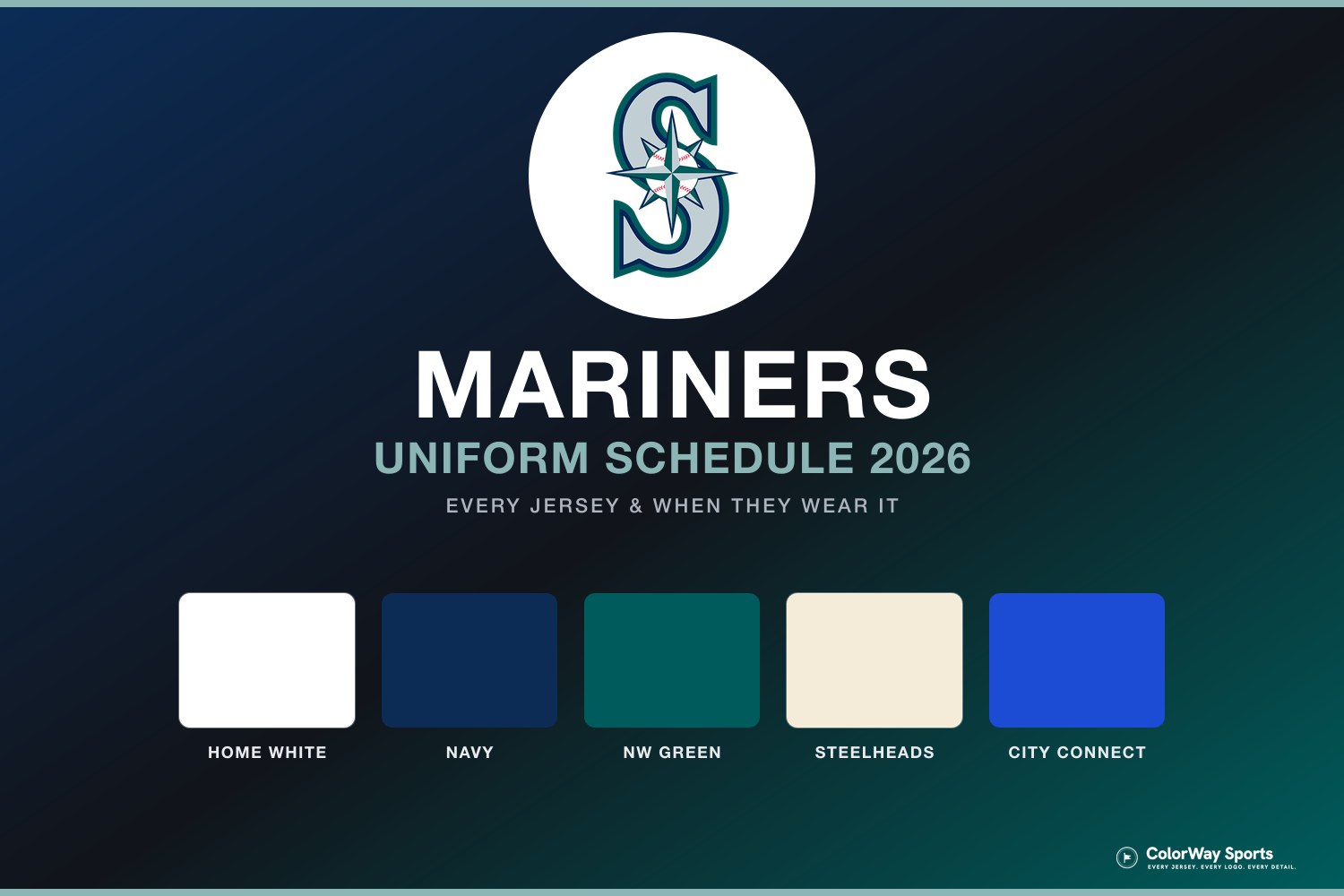
The T-Mobile Park roof works differently from every other retractable roof in baseball. It is a giant umbrella, not a dome. The roof slides over the field to keep the rain off, but it never fully encloses the building, so the sides stay open to the Seattle air even when the roof is shut. For the Mariners, the roof is about rain, not heat, and it is open more often than the roofs in the hot-weather markets.
## Is the T-Mobile Park Roof Open or Closed Today?Today's Mariners Home Game
The Mariners set the roof based on rain and weather. Their rule: once it closes during a game, it stays closed.
For today's Mariners home game roof status at T-Mobile Park, the fastest sources are:
- @Mariners on X is the official team account, which notes the roof state on game days
- StadiumRoofStatus.com tracks the T-Mobile Park (Safeco Field) roof for a quick open-or-closed answer
- The pre-game broadcast on the Mariners' regional network shows the roof state during coverage
- The forecast is your best predictor here, since the call is almost entirely about rain
The Mariners make the call based on the day's weather, mainly whether rain is in the window around the game.
How Often Is the T-Mobile Park Roof Open?
More than the hot-weather parks, but the roof still gets used a lot because this is Seattle. Through 2021 the Mariners had used the roof for about 22 percent of games since the ballpark opened, with the busiest season around 25 closures and the quietest around 10. The roof comes out for rain and cold, and Seattle has plenty of both in April, May, and September.
The key difference from Texas or Arizona: the Mariners are not fighting heat. When the weather is dry and mild, the roof is open and the ballpark feels like classic Pacific Northwest outdoor baseball. The roof only slides over when the forecast calls for it.
How the Mariners Decide: The T-Mobile Park Roof Rules
In the regular season the home club makes the call. The Mariners decide the roof based on the forecast, with rain the main driver, and they follow MLB's roof rules:
- If the roof starts open, it will be closed if impending rain or other bad weather is coming
- Once the roof is closed during a game, it is not reopened, a strict Mariners policy to avoid changing conditions and lighting mid-game
- If the game starts closed, it can be reopened once if the team decides fan comfort is better served by opening it
The decision involves the Mariners' baseball and ballpark operations staff in consultation with the visiting team and the umpires. During the postseason, MLB has the final call.
T-Mobile Park Roof Specs
T-Mobile Park, originally Safeco Field, opened in 1999 with a one-of-a-kind roof. Rather than sealing the stadium, the three-panel roof parks east of the building and rolls out over the field on rails, acting as a cover while leaving the sides open.
- The roof is built to shield rain, not to climate-control the building
- The stadium stays open-air on the sides even with the roof closed
- It runs on rails and slides over the field rather than folding away like other parks
T-Mobile Park vs Other MLB Retractable Roofs
T-Mobile Park sits in the middle of the league for roof openness, well above the hot-climate parks. The Texas Rangers at Globe Life Field and the Houston Astros at Daikin Park keep their roofs shut against summer heat, while the Arizona Diamondbacks at Chase Field open theirs whenever they can.
Seattle's roof is the most unusual of the seven because it does not enclose the stadium at all. That umbrella design is the reason Mariners games can be played in a steady drizzle with fans still feeling the outdoor air.
The Bottom Line on the T-Mobile Park Roof
If the forecast is dry, expect the roof to be open and the Seattle air flowing in. If rain is in the window, the roof slides over before first pitch and stays put for the rest of the night. For any specific game, watch the forecast and check @Mariners on X, since the roof here is almost entirely a rain decision.
Frequently Asked Questions
Is the T-Mobile Park roof open today?
The Mariners set the roof on game day based mostly on rain. If the forecast is dry and mild, the roof is usually open; if rain is in the window around the game, the roof is closed. Check @Mariners on X or the day's Seattle forecast for the best read.
Does the T-Mobile Park roof fully enclose the stadium?
No. T-Mobile Park's roof is an umbrella that covers the field but leaves the sides of the stadium open. Even with the roof closed, fans feel the outdoor Seattle air, which is what makes it different from every other MLB retractable roof.
How often is the T-Mobile Park roof open?
Roughly 22 percent of games are played with the roof closed historically, and it is open the rest of the time. The roof comes out for rain and cold, which Seattle gets plenty of in spring and fall, but the Mariners are not closing it for heat the way the Texas and Arizona teams do.
Why doesn't the Mariners roof reopen once it closes?
The Mariners have a strict policy that once the roof is closed during a game, it stays closed. Reopening mid-game would change the lighting and conditions on the field, so they avoid it to keep play consistent.
How do I check the T-Mobile Park roof status before a game?
Follow @Mariners on X, check the Seattle forecast (rain is the main factor), or look up the roof state on StadiumRoofStatus.com. The Mariners set the roof on game day.