 NFL Stories
 Arizona Cardinals
 Atlanta Falcons
 Baltimore Ravens
 Buffalo Bills
 Carolina Panthers
 Chicago Bears
 Cincinnati Bengals
 Cleveland Browns
 Dallas Cowboys
 Denver Broncos
 Detroit Lions
 Green Bay Packers
 Houston Texans
 Indianapolis Colts
 Jacksonville Jaguars
 Kansas City Chiefs
 Las Vegas Raiders
 Los Angeles Chargers
 Los Angeles Rams
 Miami Dolphins
 Minnesota Vikings
 New England Patriots
 New Orleans Saints
 New York Giants
 New York Jets
 Philadelphia Eagles
 Pittsburgh Steelers
 San Francisco 49ers
 Seattle Seahawks
 Tampa Bay Buccaneers
 Tennessee Titans
 Washington Commanders
 College Football Stories
 SEC
SEC Big Ten
 ACC
ACC Big 12
 Pac-12
 American Conference
 Mountain West
 Sun Belt
 MAC
MAC Conference USA
 FBS Independents
 NBA Stories
 Atlanta Hawks
 Boston Celtics
 Brooklyn Nets
 Charlotte Hornets
 Chicago Bulls
 Cleveland Cavaliers
 Dallas Mavericks
 Denver Nuggets
 Detroit Pistons
 Golden State Warriors
 Houston Rockets
 Indiana Pacers
 LA Clippers
 Los Angeles Lakers
 Memphis Grizzlies
 Miami Heat
 Milwaukee Bucks
 Minnesota Timberwolves
 New Orleans Pelicans
 New York Knicks
 Oklahoma City Thunder
 Orlando Magic
 Philadelphia 76ers
 Phoenix Suns
 Portland Trail Blazers
 Sacramento Kings
 San Antonio Spurs
 Toronto Raptors
 Utah Jazz
 Washington Wizards
 MLB Stories
 Arizona Diamondbacks
 Atlanta Braves
 Baltimore Orioles
 Boston Red Sox
 Chicago Cubs
 Chicago White Sox
 Cincinnati Reds
 Cleveland Guardians
 Colorado Rockies
 Detroit Tigers
 Houston Astros
 Kansas City Royals
 Los Angeles Angels
 Los Angeles Dodgers
 Miami Marlins
 Milwaukee Brewers
 Minnesota Twins
 New York Mets
 New York Yankees
 Philadelphia Phillies
 Pittsburgh Pirates
 San Diego Padres
 San Francisco Giants
 Seattle Mariners
 St. Louis Cardinals
 Tampa Bay Rays
 Texas Rangers
 Toronto Blue Jays
 Washington Nationals
 NHL Stories
 Anaheim Ducks
 Boston Bruins
 Buffalo Sabres
 Calgary Flames
 Carolina Hurricanes
 Chicago Blackhawks
 Colorado Avalanche
 Columbus Blue Jackets
 Dallas Stars
 Detroit Red Wings
 Edmonton Oilers
 Florida Panthers
 Los Angeles Kings
 Minnesota Wild
 Montreal Canadiens
 Nashville Predators
 New Jersey Devils
 New York Islanders
 New York Rangers
 Ottawa Senators
 Philadelphia Flyers
 Pittsburgh Penguins
 San Jose Sharks
 Seattle Kraken
 St. Louis Blues
 Tampa Bay Lightning
 Toronto Maple Leafs
 Vancouver Canucks
 Vegas Golden Knights
 Washington Capitals
 Winnipeg Jets
 All Soccer Stories
 International Competitions
 UEFA Champions League
 Premier League
 La Liga
 Serie A
 Bundesliga
 Ligue 1
 MLS
MLS College Basketball Stories
 All F1 Stories
 Alpine
 Aston Martin
 Audi
Audi Cadillac
 Ferrari
 Haas
Haas McLaren
 Mercedes
 Racing Bulls
 Red Bull Racing
 Williams
 NASCAR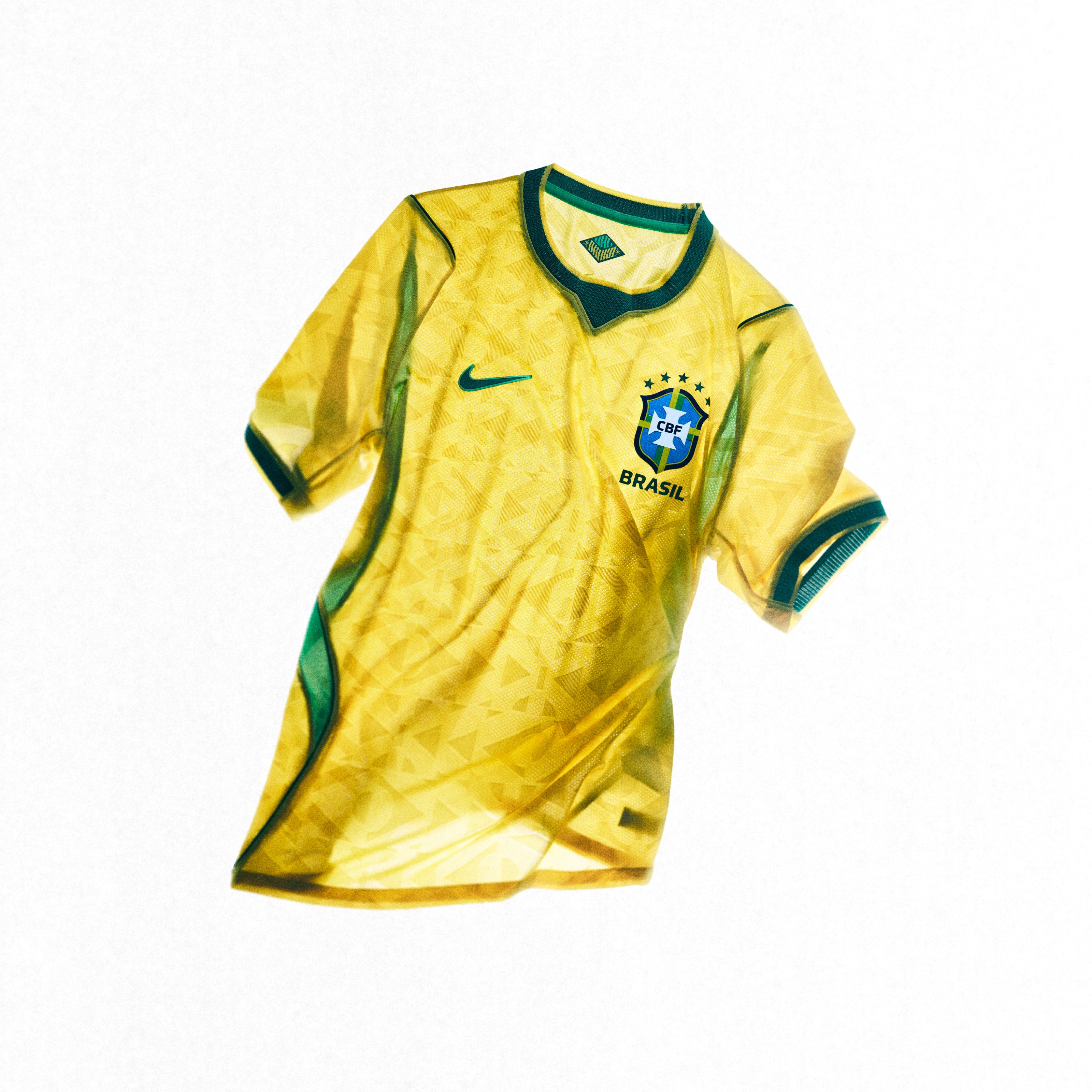
Brazil's five stars, the most of any nation. Image via Nike / CBF
If you have been watching the 2026 World Cup and wondering what the little stars above the crest on some jerseys mean, here is the short answer: each star represents a World Cup title. Brazil wears five. Germany wears four. Argentina wears three and a gold champions badge on top of that. And then there is Uruguay, which wears four stars despite winning the World Cup twice, and FIFA has officially signed off on it. In this guide we break down every star count in the 2026 field, the rules behind them, and the stories that make a few of these jerseys and uniforms more complicated than they look.
What the Stars on a Soccer Jersey Mean: One Star = One World Cup Title
The stars stitched above a national team's crest are a running count of that country's FIFA World Cup championships. The tradition started with Brazil, which added three stars after winning its third title in 1970, and other champions followed. There is no rule forcing a team to display them, but every men's world champion now does. The stars sit directly above the crest on the jersey, and most federations carry them onto training gear, uniforms, and merchandise too.
The reverse is also true: if a team has no star, it has never won the men's World Cup. That covers most of the 48-team field in 2026, including the United States, Mexico, Canada, the Netherlands, Portugal, Belgium, Croatia, and Morocco.
Every Star Count at the 2026 World Cup
Here is the complete list of teams in the 2026 field wearing stars, and exactly which titles they stand for:
- Brazil, 5 stars (1958, 1962, 1970, 1994, 2002). The most decorated team in tournament history, and the only nation to play in every World Cup.
- Germany, 4 stars (1954, 1974, 1990, 2014). The first three came as West Germany, and the unified team carries them all.
- Uruguay, 4 stars (1924, 1928, 1930, 1950). Only two are World Cups. Keep reading, this one has its own section.
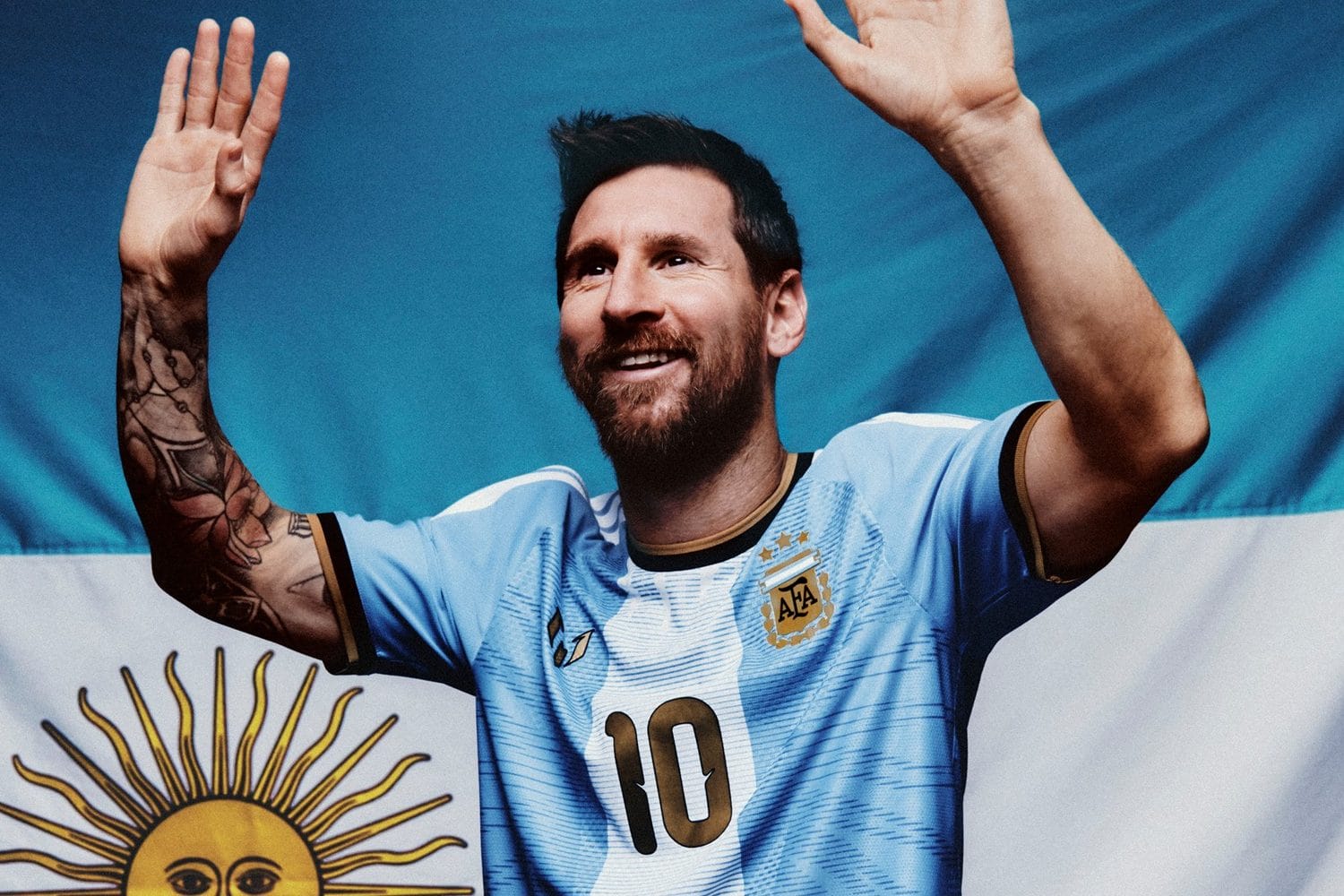
- Argentina, 3 stars (1978, 1986, 2022). As reigning champion, Argentina also wears the gold FIFA World Champions badge on the chest at this tournament.
- France, 2 stars (1998, 2018).
- England, 1 star (1966).
- Spain, 1 star (2010).
That is the entire starred field. Italy, a four-star nation, did not qualify for the 2026 tournament, so you will not see its stars this summer.
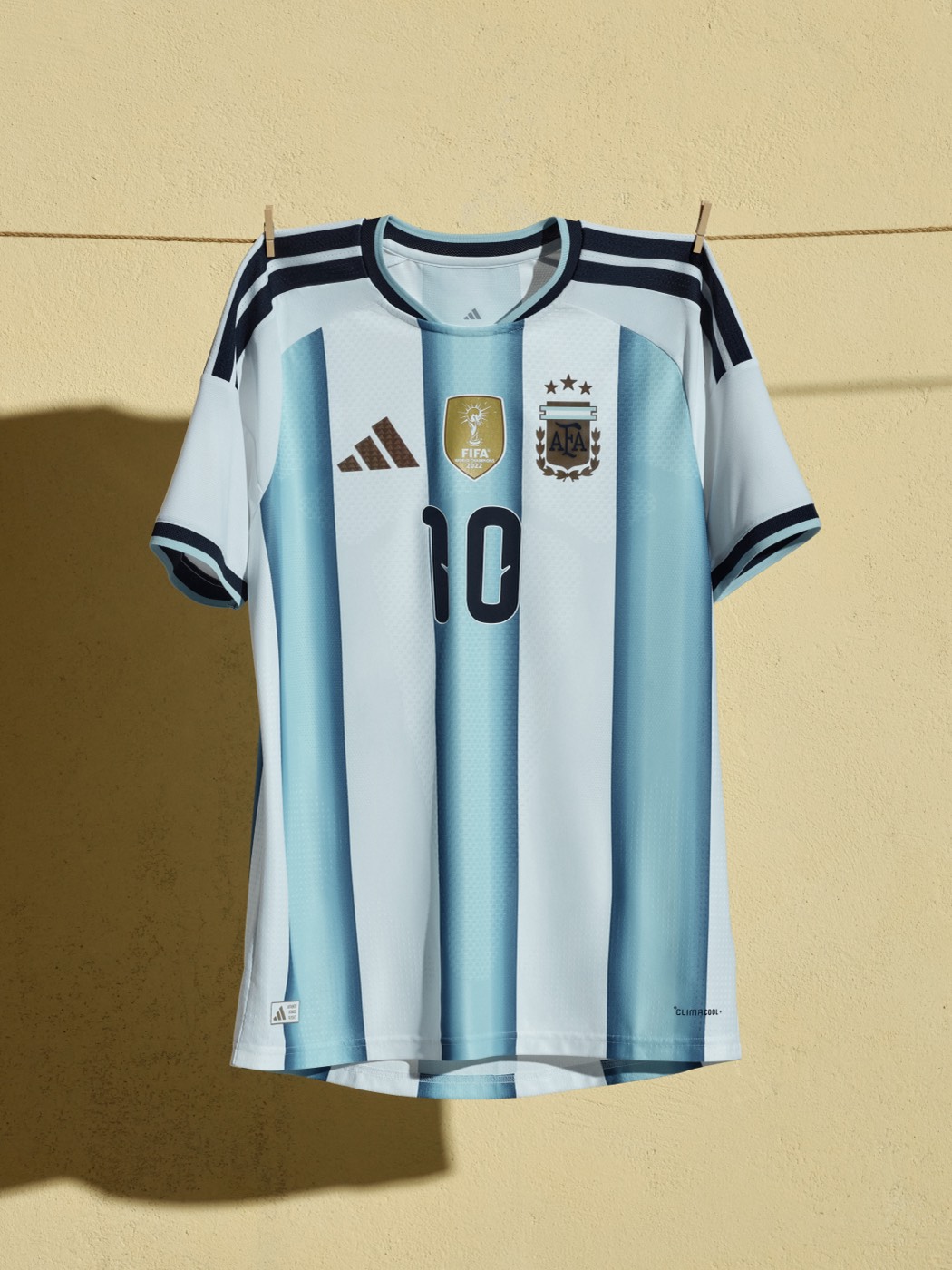
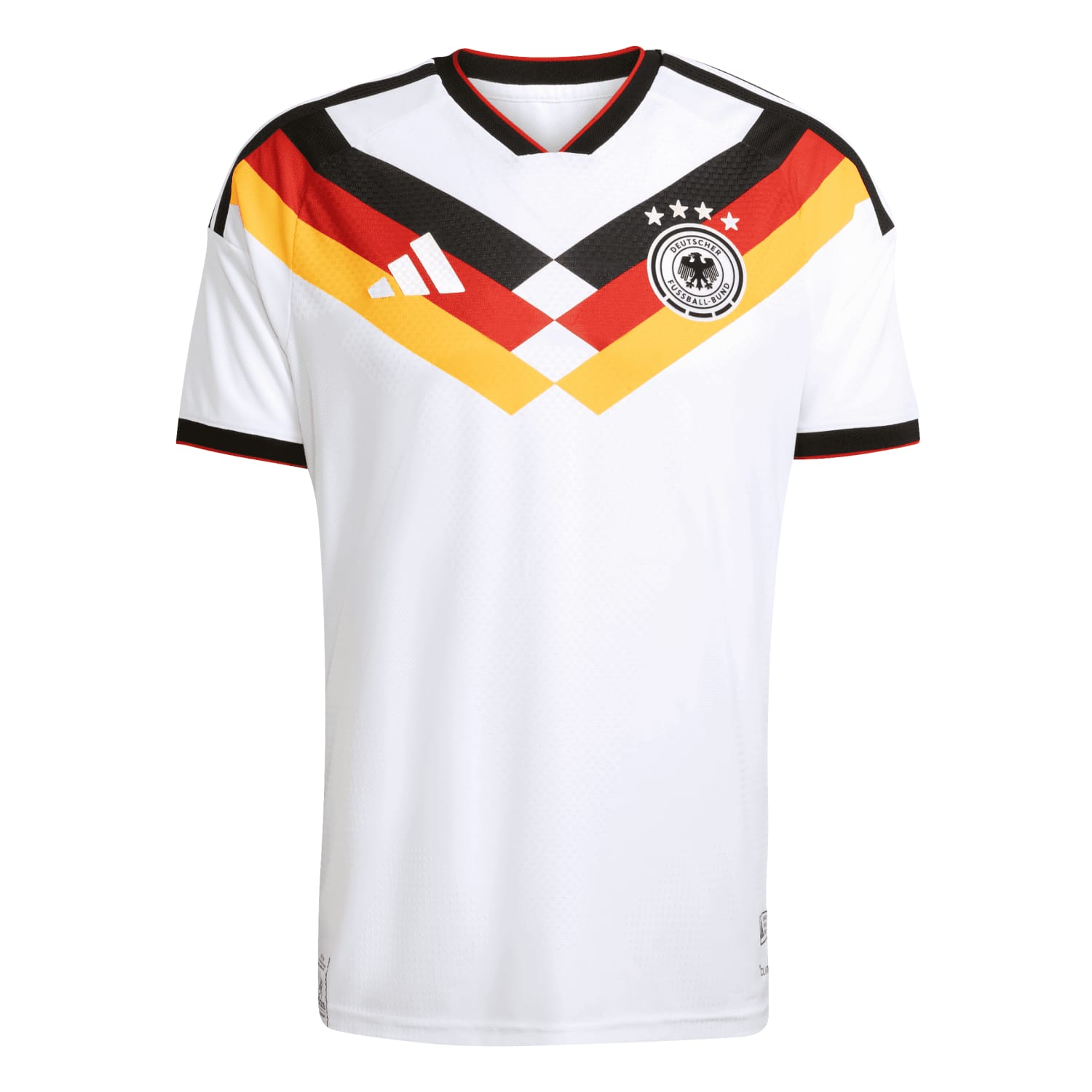
Argentina's three stars plus the champions badge; Germany's four. Images via adidas
Why Uruguay Wears Four Stars for Two World Cups
Uruguay won the World Cup in 1930 and 1950. It wears four stars anyway, and this is the most argued-about star count in soccer.
The other two stars represent the 1924 and 1928 Olympic football tournaments, which Uruguay also won. Those Olympics were the biggest international championships on earth in the years before the World Cup existed, run as open world championships, and FIFA has recognized them as equivalent to world titles. Uruguay's federation has treated all four as world championships ever since, and the stars have sat above the crest for decades.
It nearly turned into a real fight. In 2021, a request traced back to FIFA asked Uruguay's kit maker to strip two of the four stars off the shirt. The Uruguayan federation pushed back with historians and primary documents, FIFA walked the request back, and in May 2022 it confirmed Uruguay is permitted to keep all four stars going forward. So the four stars you see on Uruguay's jersey at the 2026 World Cup are fully FIFA-approved, and they are staying.
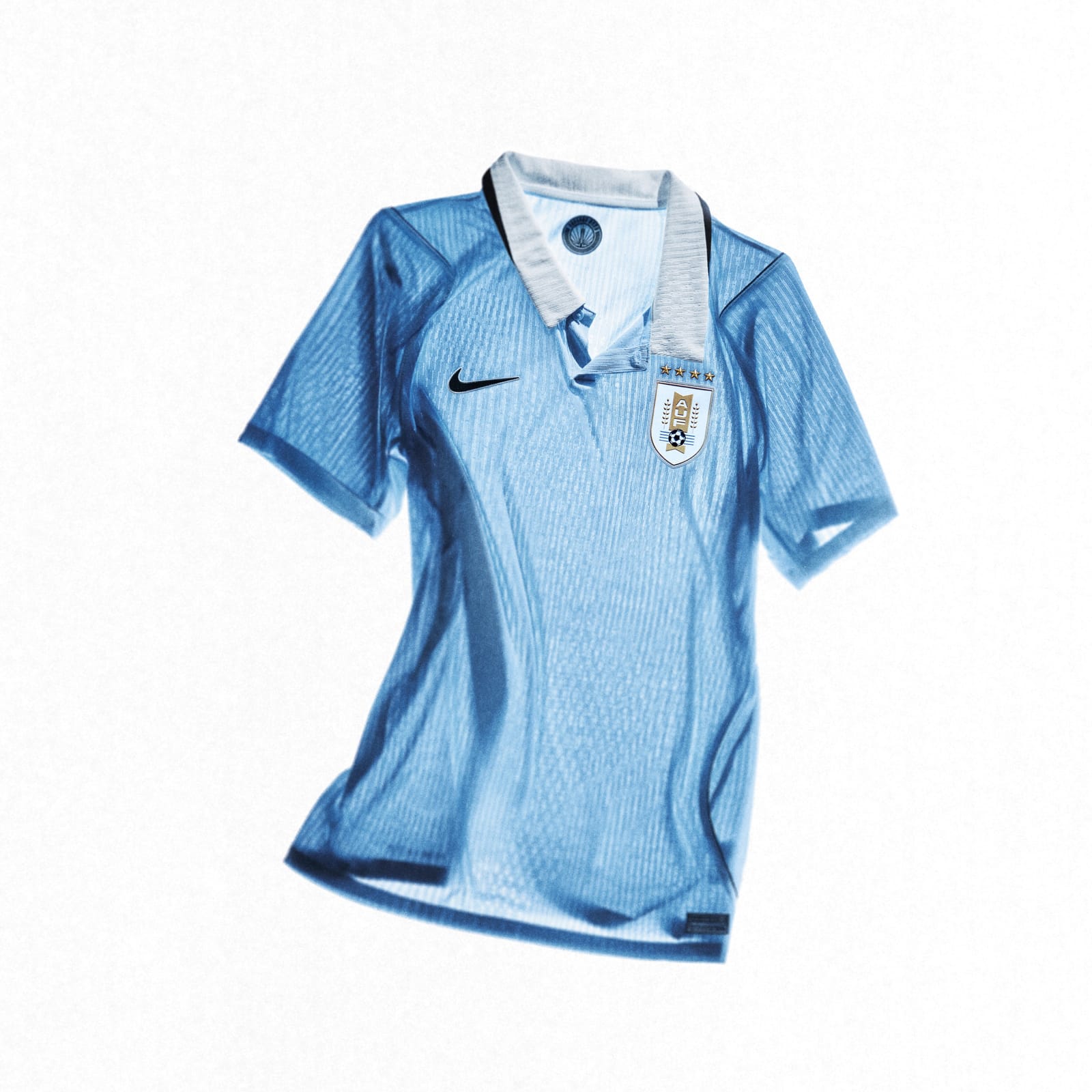
Uruguay's famous four. Image via AUF
The Gold Badge Is Not a Star: Argentina's Champions Patch
Stars are permanent. The gold FIFA World Champions badge is a loaner. Since 2008, the reigning World Cup winner gets to wear a gold champions badge on the front of the jersey until the next tournament crowns someone new. Argentina has worn it since lifting the 2022 trophy, and it appears on their uniforms throughout the 2026 World Cup. If Argentina repeats, the badge stays and a fourth star gets added. If anyone else wins, the badge moves to the new champion and Argentina keeps its three stars.
We covered every patch on the USMNT shirt, including why the United States does not wear any stars, in our breakdown of the USMNT's 2026 jersey patches.
The USMNT crest is a good example of a badge with no stars at all, and we cover every patch on the 2026 USMNT shirt separately.
Do Women's Titles Count? Ask the USWNT
Star math runs separately for men's and women's teams. The United States men's team wears zero stars because it has never won a World Cup. The United States women's team wears four, for the 1991, 1999, 2015, and 2019 Women's World Cups. Same federation, same crest, different star count depending on which team is wearing the shirt. Several other federations do the same, which is why a country's jersey can look "wrong" if you only follow one of its teams.
Stars You Will Not See in 2026
A few storied star counts are missing from this World Cup. Italy's four stars did not make it through qualifying. And plenty of 2026 contenders are playing for their first: the Netherlands has three lost finals and no star, Portugal and Belgium have never reached one, and hosts United States, Mexico, and Canada are all starless. Whoever breaks through would join the shortest list in sports, eight nations before this tournament with at least one star, and would get to sew it on before their next competitive match.
For how each of these teams' shirts actually look and rank this summer, see our ranking of every 2026 World Cup jersey and our live match-by-match jersey tracker.
Away from the World Cup, our MLB daily uniform tracker logs what all 30 baseball teams wear every single day, with a visual calendar for every club.
Frequently Asked Questions
What do the stars on a soccer jersey mean?
Each star above the crest on a national team soccer jersey represents one FIFA World Cup title won by that country. Brazil wears five stars, the most of any nation, followed by Germany with four, Argentina with three, France with two, and England and Spain with one each. Uruguay wears four stars, two for its World Cup wins and two for the 1924 and 1928 Olympic titles that FIFA recognizes as world championships.
Why does Uruguay have 4 stars on its jersey?
Uruguay's four stars represent the 1930 and 1950 World Cups plus the 1924 and 1928 Olympic football tournaments, which were run as open world championships before the World Cup existed. FIFA has recognized those Olympic wins as equivalent to world titles and confirmed in 2022 that Uruguay may keep all four stars on its jersey.
Which team has the most stars at the 2026 World Cup?
Brazil, with five stars for its 1958, 1962, 1970, 1994, and 2002 World Cup titles. Germany and Uruguay wear four each, though Uruguay's count includes two Olympic championships alongside its 1930 and 1950 World Cups.
Why doesn't the USA have stars on its World Cup jersey?
The United States men's national team has never won a World Cup, so the men's jersey carries no stars. The US women's team wears four stars above the same crest for its 1991, 1999, 2015, and 2019 Women's World Cup titles. Star counts are tracked separately for men's and women's teams.
What is the gold badge on Argentina's jersey?
That is the FIFA World Champions badge, worn by the reigning World Cup winner until the next tournament ends. Argentina has worn it since winning the 2022 World Cup. It is separate from the three stars above Argentina's crest, which are permanent.
Does every World Cup winner add a star?
There is no rule requiring it, but every men's world champion now displays its stars, and adding one after a title has become automatic. The tradition started when Brazil added three stars after winning its third World Cup in 1970.
The Bottom Line on World Cup Jersey Stars
The stars are the simplest scoreboard in sports: one per world title, sewn above the crest, carried on every jersey and uniform the team wears. Seven nations in the 2026 field have at least one, Brazil's five lead everyone, Argentina pairs its three with the reigning champion's gold badge, and Uruguay's four-for-two remains the best trivia answer in soccer, with FIFA's blessing. When someone new finally wins it all, the first thing their federation will do is order shirts with a star on them.