 NFL Stories
 Arizona Cardinals
 Atlanta Falcons
 Baltimore Ravens
 Buffalo Bills
 Carolina Panthers
 Chicago Bears
 Cincinnati Bengals
 Cleveland Browns
 Dallas Cowboys
 Denver Broncos
 Detroit Lions
 Green Bay Packers
 Houston Texans
 Indianapolis Colts
 Jacksonville Jaguars
 Kansas City Chiefs
 Las Vegas Raiders
 Los Angeles Chargers
 Los Angeles Rams
 Miami Dolphins
 Minnesota Vikings
 New England Patriots
 New Orleans Saints
 New York Giants
 New York Jets
 Philadelphia Eagles
 Pittsburgh Steelers
 San Francisco 49ers
 Seattle Seahawks
 Tampa Bay Buccaneers
 Tennessee Titans
 Washington Commanders
 College Football Stories
 SEC
SEC Big Ten
 ACC
ACC Big 12
 Pac-12
 American Conference
 Mountain West
 Sun Belt
 MAC
MAC Conference USA
 FBS Independents
 NBA Stories
 Atlanta Hawks
 Boston Celtics
 Brooklyn Nets
 Charlotte Hornets
 Chicago Bulls
 Cleveland Cavaliers
 Dallas Mavericks
 Denver Nuggets
 Detroit Pistons
 Golden State Warriors
 Houston Rockets
 Indiana Pacers
 LA Clippers
 Los Angeles Lakers
 Memphis Grizzlies
 Miami Heat
 Milwaukee Bucks
 Minnesota Timberwolves
 New Orleans Pelicans
 New York Knicks
 Oklahoma City Thunder
 Orlando Magic
 Philadelphia 76ers
 Phoenix Suns
 Portland Trail Blazers
 Sacramento Kings
 San Antonio Spurs
 Toronto Raptors
 Utah Jazz
 Washington Wizards
 MLB Stories
 Arizona Diamondbacks
 Atlanta Braves
 Baltimore Orioles
 Boston Red Sox
 Chicago Cubs
 Chicago White Sox
 Cincinnati Reds
 Cleveland Guardians
 Colorado Rockies
 Detroit Tigers
 Houston Astros
 Kansas City Royals
 Los Angeles Angels
 Los Angeles Dodgers
 Miami Marlins
 Milwaukee Brewers
 Minnesota Twins
 New York Mets
 New York Yankees
 Philadelphia Phillies
 Pittsburgh Pirates
 San Diego Padres
 San Francisco Giants
 Seattle Mariners
 St. Louis Cardinals
 Tampa Bay Rays
 Texas Rangers
 Toronto Blue Jays
 Washington Nationals
 NHL Stories
 Anaheim Ducks
 Boston Bruins
 Buffalo Sabres
 Calgary Flames
 Carolina Hurricanes
 Chicago Blackhawks
 Colorado Avalanche
 Columbus Blue Jackets
 Dallas Stars
 Detroit Red Wings
 Edmonton Oilers
 Florida Panthers
 Los Angeles Kings
 Minnesota Wild
 Montreal Canadiens
 Nashville Predators
 New Jersey Devils
 New York Islanders
 New York Rangers
 Ottawa Senators
 Philadelphia Flyers
 Pittsburgh Penguins
 San Jose Sharks
 Seattle Kraken
 St. Louis Blues
 Tampa Bay Lightning
 Toronto Maple Leafs
 Utah Mammoth
 Vancouver Canucks
 Vegas Golden Knights
 Washington Capitals
 Winnipeg Jets
 All Soccer Stories
 International Competitions
 UEFA Champions League
 Premier League
 La Liga
 Serie A
 Bundesliga
 Ligue 1
 MLS
MLS College Basketball Stories
 All F1 Stories
 Alpine
 Aston Martin
 Audi
Audi Cadillac
 Ferrari
 Haas
Haas McLaren
 Mercedes
 Racing Bulls
 Red Bull Racing
 Williams
 NASCAR
Wondering what kit your club is wearing this weekend? Here is the thing most fans do not know: the Premier League itself decides, and it tells both clubs no later than three working days before kickoff. Kits are not a matchday surprise. They are scheduled.
This page is that schedule. Every fixture, every matchweek, who wears what, and why the away side sometimes has to go to a third kit. We update it as each matchweek is confirmed. For the European nights, our Champions League kit schedule does the same job matchday by matchday.
Matchweek 5: Every Kit Matchup
Ten fixtures from Friday night to Sunday afternoon, and then the September international break. Friday night is played and confirmed: Brentford wore the red and white striped home shirt and Chelsea went to the black away shirt with the Midwest Gold trim at the Gtech Community Stadium. Chelsea's royal blue would not have clashed with red and white stripes, so the black was a choice rather than a forced change. It was the first league outing for the black away, and Brentford won 3-0. Saturday is played and confirmed off the match photography, and it brought two kits nobody had on the page. Brighton marked the club’s 125th anniversary in a specially made commemorative kit, a plain blue collared shirt with no pinstripes and cream shorts, and beat Arsenal 3-0 at the Amex, Arsenal in the red home shirt with the white sleeves and now without a perfect record. Hull left the amber and black stripes at home for St James’ Park and wore a blue shirt with white shorts, a change kit we had not seen from them this season, and Newcastle won 2-1 in the black and white home stripes to end Hull’s unbeaten start. The call we did make went as written: Ipswich changed into the cream yellow away shirt at Everton, royal blue against blue leaving them no choice, and lost 1-0 after going down to ten men. Aston Villa won 3-2 at Tottenham in the claret home shirt, which left Spurs in their white home shirt; every frame we found showed Villa, so the Spurs card is marked from the Villa side. Coventry wore the sky blue and white home stripes at the City Ground against Forest’s red home shirt and won 1-0, their first Premier League win of the season. Sunday is played, and it produced a change nobody needed. Liverpool did switch to the white away shirt at Bournemouth, as the clash rule required against the red and black stripes, and Alexander Isak’s goal won it 1-0. Crystal Palace changed at Leeds and chose the third, not the away: the ‘Eagle Wings’ shirt, the old red and blue stripes skewed into navy-framed lightning bolts, because the white sash home shirt would have run into Leeds’ white. It finished 0-0. Man City and Sunderland both stayed home, sky blue against red and white stripes, and scored eight goals between them in a 5-3 City win. The surprise was at Craven Cottage. Manchester United wore the blue away kit at Fulham with no clash to force it, red against white being as clean a pairing as the league offers, and drew 1-1. It is the shirt we graded an A and called the best change kit in Europe this season, so United chose to wear it rather than having to.
Fixtures and kickoff times are confirmed. Kit assignments fill in as each club publishes its own confirmation, and the grades follow once the matches are played.
Matchweek 4: Every Kit Matchup
Ten fixtures from Saturday afternoon to Monday night, and the one everyone wants is on Sunday. Manchester United host Manchester City at Old Trafford at 4:30pm, red home shirt against sky blue home shirt, the derby the clash rule never has to touch. United's red carries the 1977 polo collar and City's sky blue is the gradient home shirt, and with no contrast problem between them both clubs should walk out in their own colours. Every kit on this page is expected until the club itself confirms it, and each card flips from expected to confirmed on the day, checked against matchday photography rather than preview graphics.
Saturday's late kickoff is the one that forces a change. Sunderland host Arsenal at the Stadium of Light at 8pm, red and white stripes against red with white sleeves, and that pushes Arsenal into a change kit. They have two to pick from: the navy away with the yellow accents, which clears the stripes with no argument, and the pale yellow third they reached for at Villa Park in Matchweek 2 when the navy would have done. The 3pm block has five games and one more clash in it. Bournemouth host Brentford, red and black stripes against red and white stripes, so Brentford change too, and the navy away with the cream pinstripes is the obvious answer. Chelsea against Hull should be royal blue against amber and black, Liverpool against Fulham red against white, and Tottenham against Everton at 5:30pm white against royal blue, the three cleanest pairings of the weekend with both home shirts expected. Aston Villa against Nottingham Forest, Crystal Palace against Ipswich, Coventry against Brighton on Sunday and Leeds against Newcastle on Monday night wait on the clubs. The matchweek reads newest first: Monday's Elland Road closer at the top, then Sunday's two, Saturday's late games, and the 3pm block at the bottom.
Saturday's 3pm block is played and confirmed off the match photography, and the day answered one read against us. Brentford did change at Bournemouth, red and white stripes against red and black leaving them no option, but they went to the yellow third shirt with the black collar, not the navy away we had down, the first league outing for the yellow, in a 2-2 draw. Nottingham Forest wore the light blue third at Villa Park and won 2-1 in it, the second league appearance for the kit that debuted at Anfield, because Forest red against Villa claret is a clash the league will not allow, so Villa stayed in the claret home shirt. The three clean pairings went as written: Chelsea royal blue against Hull's amber and black stripes in a 2-2 draw at Stamford Bridge, Liverpool red against Fulham white in a 0-0 at Anfield that leaves Liverpool still without a league win, and Ipswich in the blue home shirt at Selhurst Park, where they beat Palace 3-2 for their first win since coming back up, Palace in the white sash home. Tottenham and Everton played out a 0-0 at 5:30pm, and the match photography answered a second read against us: Everton did not wear the royal blue. They went to the teal green third shirt with the gold trim, the Castore kit with no Everton history behind it, against Spurs in the white home shirt with the navy shorts. Nothing about white against royal blue needed a change, so that one was a choice, not a clash. Sunderland wore the red and white home stripes and Arsenal went to the pale yellow third at the Stadium of Light, the same shirt they chose at Villa Park in Matchweek 2 when the navy away would also have cleared the clash, and it finished 0-2.
Sunday went the way the page said it would, and the derby needed no clash rule at all. Manchester United wore the red home shirt with the 1977 polo collar and Manchester City wore the sky blue home shirt at Old Trafford, red against sky blue with nothing for the league to resolve, and City won it 1-0 through Haaland. Earlier, Brighton went to the deep teal third shirt at Coventry and put five past them without reply, 0-5, the second league outing for the teal after the trip to Tottenham in Matchweek 3. Coventry stayed in the sky blue home shirt. That was the read on this page all week, Brighton into a change, though we had the white away pencilled in rather than the third; the teal clears sky blue more cleanly than white with blue pinstripes would have. Both confirmed off the match photography. Monday night closed the matchweek at Elland Road: Leeds wore the white home shirt with the horizontal pinstripes and Newcastle changed into the Night Navy away shirt with the vista blue trim and the Trefoil, black and white stripes sitting too close to all that white. Leeds won it 4-1 to stay unbeaten, confirmed off the match photography.
Fixtures and kickoff times are confirmed. Kit assignments fill in as each club publishes its own confirmation, and the grades follow once the matches are played.
Matchweek 3: Every Kit Matchup
Ten fixtures from Friday night to Sunday evening, and the season carries straight on into Matchweek 4 this weekend. The September international break does not arrive until Matchweek 5 closes on Sunday, September 20. All ten are played and every kit is confirmed below. Sunday closed the matchweek at the Emirates with the pairing we would put above any other in the sport: Arsenal in the red home shirt with the white sleeves, Chelsea in the royal blue home shirt, two of the most recognisable jerseys in football on the same pitch with nothing changed and nothing needed. Arsenal won it 2-1, and we grade the kit matchup an A+, the first of the season. Earlier on Sunday, Everton wore the royal blue home shirt and Manchester United the red home shirt in a 2-2 draw settled by an Ainsley Maitland-Niles equaliser deep in stoppage time, blue against red with no clash to resolve. We grade that one an A-. Matchweek 3 opened at Portman Road and went exactly as the clash rule said it would: Ipswich wore the blue home shirt and Liverpool travelled in the red home shirt, the simplest call of the weekend, and the Candy graphic got its first away trip since the opening night draw at Newcastle. We grade the matchup an A-, and the full write-up is below.
Saturday produced four change kits, not the three we flagged, and it answered one of our reads against us. Sunderland had to change at Brentford, red and white stripes against red and white stripes leaving them no choice, and they reached past the pink Elvis Presley away shirt to the navy third jersey with the copper stained-glass print. Coventry changed at the Etihad as expected, sky blue against sky blue sending the promoted side into the off-white away shirt with the navy and coral trim. Bournemouth went to the purple away shirt at St James' Park, the hummel geometric one, because red and black against Newcastle's black and white stripes was never going to work. The cleverest call of the day was Aston Villa at Hull: the amber and black stripes ruled out Villa's claret home uniform and their black away shirt at the same time, so they wore the icy blue third, the Holte End mosaic kit, in a fixture nobody had down as a third-kit game. Crystal Palace changed at Craven Cottage, but not into the shirt we expected. The white sash home shirt could never share a pitch with Fulham's white, and instead of the black away Palace went to the third kit, the traditional red and blue stripes, which is the kit most people still think of as Palace's home. A correction from us: an earlier version of this page called the stripes the home shirt. They are the third this season; the sash is the home. Palace won 3-2 in them. The matchweek reads newest first: Sunday's Emirates closer at the top, then Saturday's seven, and Friday's opener at the bottom.
Every kit in the matchweek is confirmed, checked against matchday photography and highlights rather than preview graphics. Three Matchweek 3 matchups are graded below, both of Sunday's and Friday's opener at Portman Road; Saturday's seven follow once we have shirt art for each pairing.
Matchweek 3, Graded
Arsenal vs Chelsea: A+
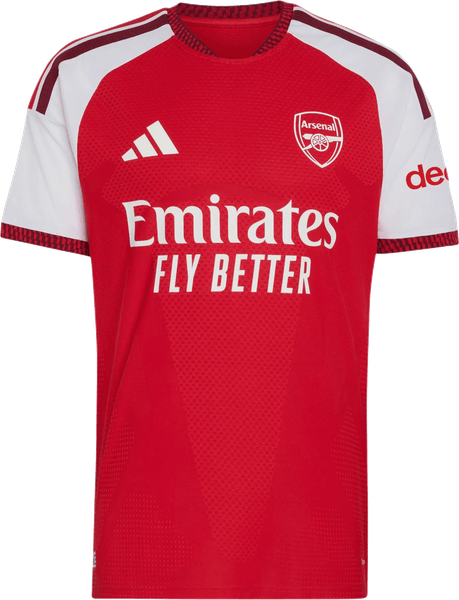
ARSENAL · RED HOME
VS
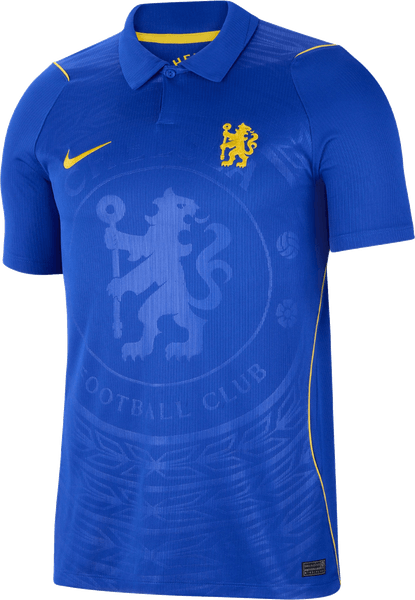
CHELSEA · ROYAL BLUE HOME
Full Time · Arsenal 2, Chelsea 1
Arsenal shirt photo via Soccer Wearhouse, Chelsea via Azteca Soccer.
This is the one we have been waiting for, and it is the first A+ of the season. Red with white sleeves against royal blue with a gold lion is, to us, the best kit matchup in football: two shirts that have barely changed their silhouette in decades, worn by two London clubs who have spent most of this century deciding trophies between them, on the same pitch with nothing altered. Arsenal's home shirt is the most distinctive in the league because of the sleeves, and the sleeves are exactly what a royal blue opponent shows off. Chelsea's blue is deep enough to hold its own against a red that loud, and the gold on the crest and sponsor picks up the gold in Arsenal's cannon. Neither club changed, neither club needed to, and the broadcast picture was as clean as this league gets.
We have marked other home-versus-home pairings down this season for being the default, and we stand by that: most of them are handsome and routine. This is the exception, because here the default is the point. Every version of this rivalry, from the Invincibles to the Abramovich years to the Champions League final in Baku, has looked exactly like this, and the two clubs have kept the shirts close enough to their originals that a photograph from any of those seasons could pass for Sunday. When the two most recognisable jersey and uniform combinations in the sport meet in their home colors, it does not need a third shirt or a clever change kit to be special. A+.
Everton vs Man United: A-
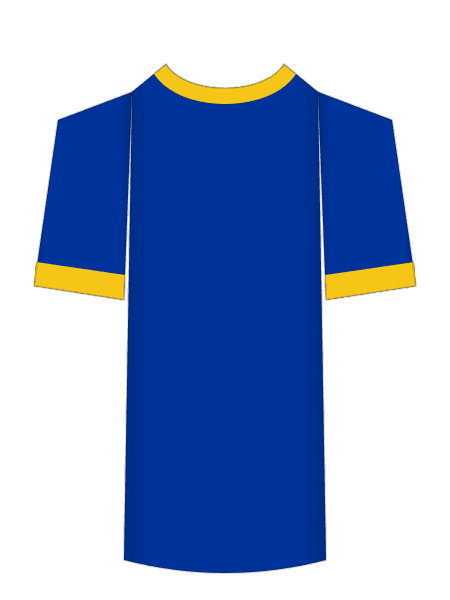
EVERTON · ROYAL BLUE HOME
VS
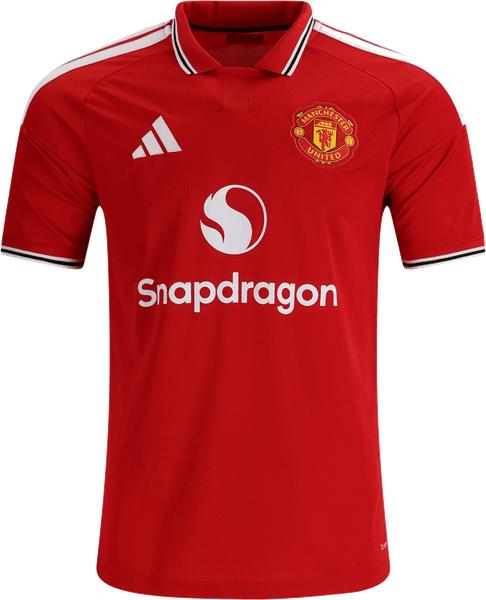
MAN UNITED · RED HOME
Full Time · Everton 2, Man United 2
Everton and Manchester United shown as ColorWay colorway renders from each club's launch description, not photographs.
Royal blue against red is the other great no-clash pairing in English football, and this one has the history to go with it: Everton and United have met in the top flight more than almost any two clubs in the country, and the picture has looked like this in nearly every decade of it. Everton's Castore home shirt is a flat, saturated royal blue with amber at the collar and cuffs, and the amber is the detail that earns the grade. It gives the shirt a second colour to play off United's white collar and cuffs, so the two kits share a structure, a solid body with a contrast trim, in colours that could not be further apart. United's red carries the 1977 polo collar, and a polo collar against a round amber-trimmed neck is the kind of small difference that reads on a broadcast.
What keeps it a half-step below the Emirates is the same thing that kept Ipswich against Liverpool at A-: neither club had a decision to make. Blue against red picks itself, and there is no third shirt, no change kit and no clash rule in the story. It is also the first match at Everton's new ground for this fixture, which is a story for the stadium, not the shirts. Handsome, historic, and a late equaliser to go with it. A-.
Ipswich Town vs Liverpool: A-
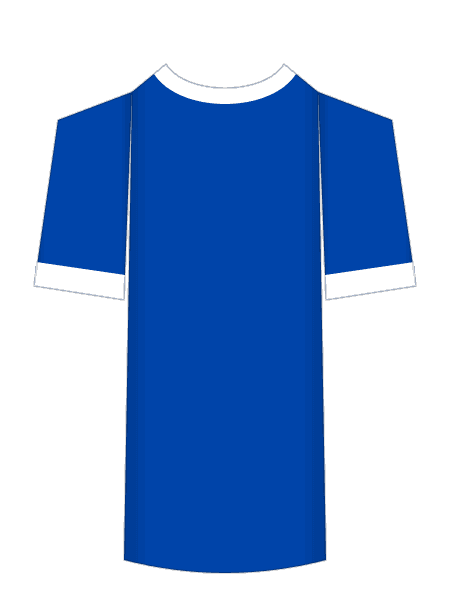
IPSWICH · BLUE HOME
VS
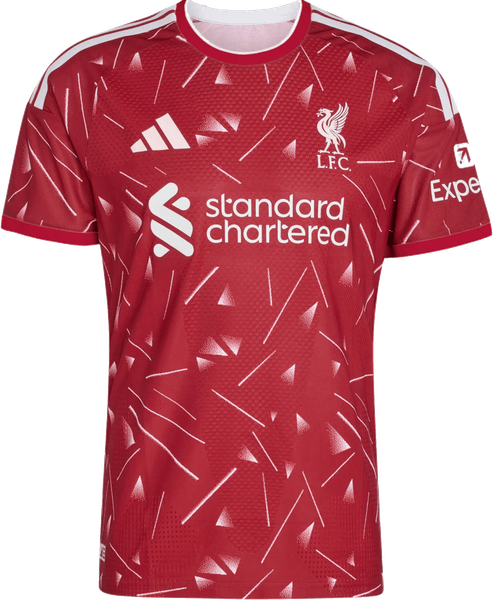
LIVERPOOL · RED HOME
Full Time · Ipswich Town 0, Liverpool 2
Liverpool shirt photo via Soccer Wearhouse, Ipswich via the club's official store.
Blue against red is the oldest no-argument pairing in the sport, and it is the reason neither club had to think about this one. Ipswich's home shirt is a flat, deep block blue with no pattern to speak of, and it works precisely because it does not try: it reads instantly at broadcast distance and it lets the away side carry the detail. Liverpool obliged. The Candy-era geometric print across the red is the best home shirt in the league this season and it is at its most legible against a plain opponent, which is exactly what Portman Road provided.
What keeps this off the top grade is that it is a pairing you get several times a season and neither club had to make a decision to arrive at it. The best matchups in this league involve a choice, a third shirt pulled out because the away kit clashed, or a club reaching past the obvious. This was two home shirts and no thought required. Handsome, legible, slightly routine. A-
Matchweek 2: Every Kit Matchup
Ten fixtures from Friday night to Monday night. The Premier League confirms kit colours to both clubs no later than three working days before kickoff, so the Friday fixture is the first to lock and the Monday one is the last. All ten are now played, and the matchweek reads newest first: Monday's Villa Park closer at the top, then Sunday's four, Saturday's, and Friday's opener at the bottom.
We fill each cell in as the club itself confirms it, not when a preview graphic guesses. That distinction has mattered before: graphics circulating ahead of matchweek 1 had two of these fixtures wrong.
The matchweek closed with the away side reaching past its away kit yet again. Arsenal wore the pale yellow third shirt at Aston Villa and won 1-0, yellow with navy and burgundy trim against Villa's claret and sky blue. That makes three third-shirt appearances in two matchweeks after Manchester United's ivory at Hull and Fulham's sky blue at Sunderland, and this one was pure choice, because the navy away clears claret with no argument. We grade the matchup a B. Claret against pale yellow is a pairing you might see once a season and both shirts are handsome, but a one-goal Monday in two kits that never quite spark off each other sits in B territory, not the A range.
Sunday's four are in, and the day belonged to a club that went past its away kit entirely. Fulham travelled to Sunderland in the sky blue and neon pink third shirt, because the away kit adidas built for them this season is a red and black checkerboard and Sunderland wear red and white stripes at home. That is the clash rule doing exactly what it exists to do, and it is the second time in two matchweeks a club has skipped straight to its third. Chelsea and Manchester United both wore home shirts in seven-goal afternoons, Brighton inverted their own pinstripe into the white away, and Brentford brought the navy to Elland Road.
Manchester United's red carries the 1977 polo collar in the fiftieth year of that cup win, and Ipswich answered it in the cream yellow away that reworks their 1996 stripe. Chelsea's deep blue with the rampant lion took a 4-3 off Brighton's white. Leeds kept the white home shirt against a Brentford away shirt cut from Savile Row tailoring, which reads black on a broadcast but is navy with cream pinstripes in the hand.
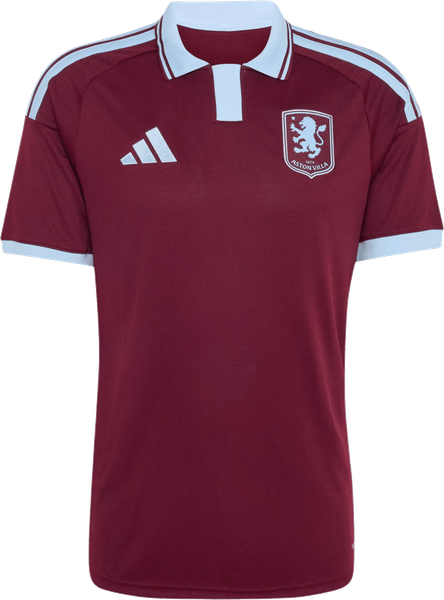
ASTON VILLA
Home, Claret and Sky Blue
VS
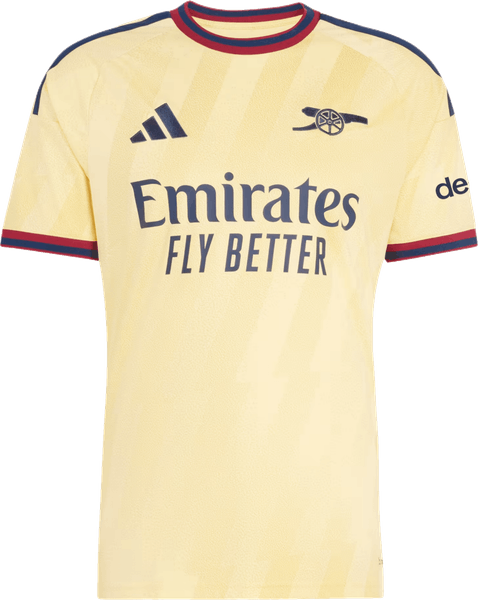
ARSENAL
Third, Pale Yellow
Both shirts shown in retailer product photography via Soccer Wearhouse.
CHELSEA
Home, the Lion Crest
VS
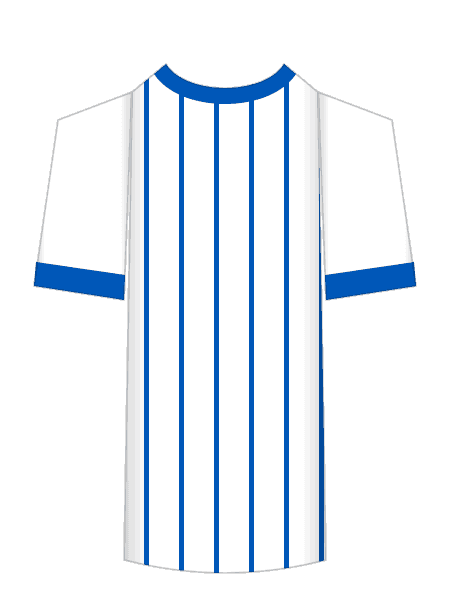
BRIGHTON
Away, 125th Anniversary
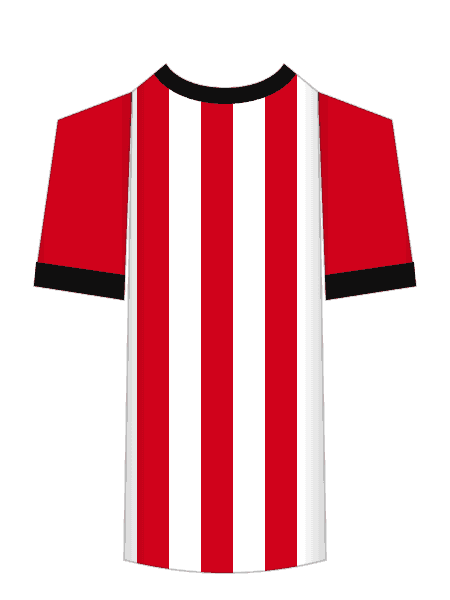
SUNDERLAND
Home, Red and White Stripes
VS
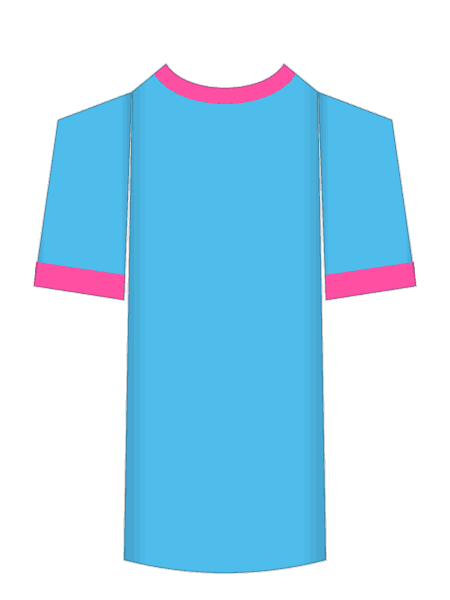
FULHAM
Third, Sky Blue and Pink
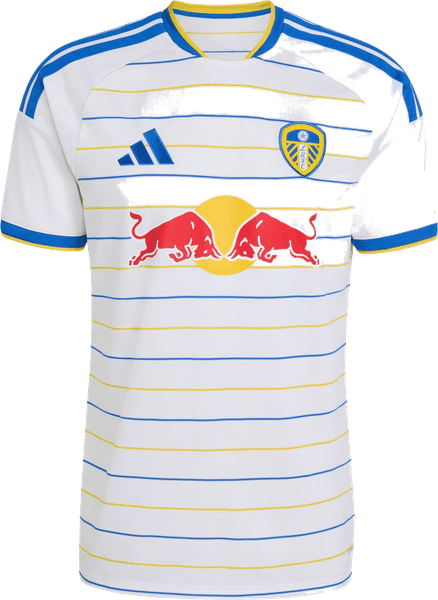
LEEDS UNITED
Home, Blue and Gold Pins
VS
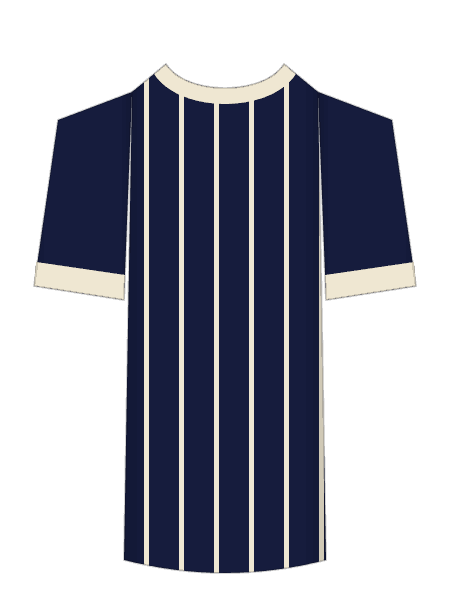
BRENTFORD
Away, the Savile Row Navy
MAN UNITED
Home, the 1977 Collar
VS
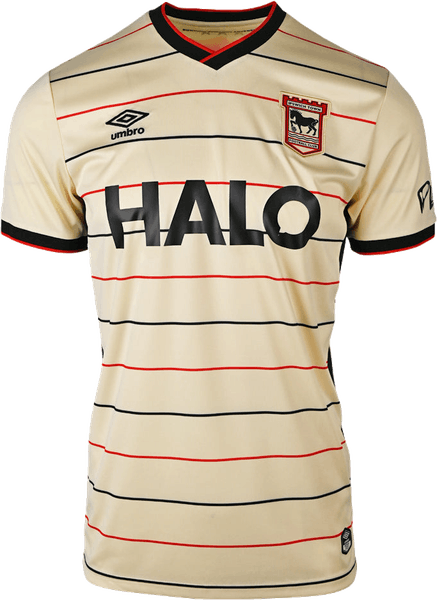
IPSWICH TOWN
Away, the 1996 Stripe
United and Chelsea shirt photos via Soccer Wearhouse and Azteca Soccer, Ipswich via the club's official store. Brighton, Fulham, Brentford, Sunderland and Leeds shown as ColorWay colorway renders from each club's launch description.
Saturday's four are now played, and the day produced the first kit debut of the season: Nottingham Forest wore the new light blue third shirt at Anfield the day after it went on sale, and took a point off Liverpool's red in it. Hull City did the opposite of a debut, keeping the amber and black home stripes at Coventry because sky blue clashes with nothing they own. Everton finally gave the white pinstripe away shirt, the best shirt in their wardrobe, a league outing at Bournemouth, and Newcastle's Night Navy won 2-0 at a Tottenham side booed off in lilywhite. Verified from match photography, not preview graphics.
LIVERPOOL
Home, the Candy Graphic
VS
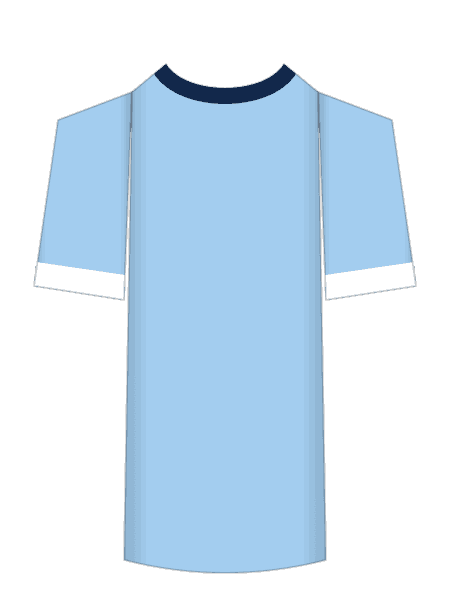
NOTTINGHAM FOREST
Third, Light Blue Debut
Liverpool shown in retailer product photography. Forest third shown as a ColorWay colorway render, not a photograph.
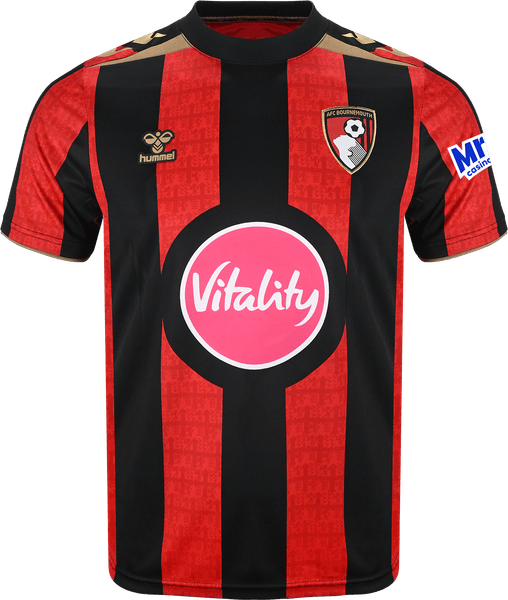
BOURNEMOUTH
Home, Red and Black Stripes
VS
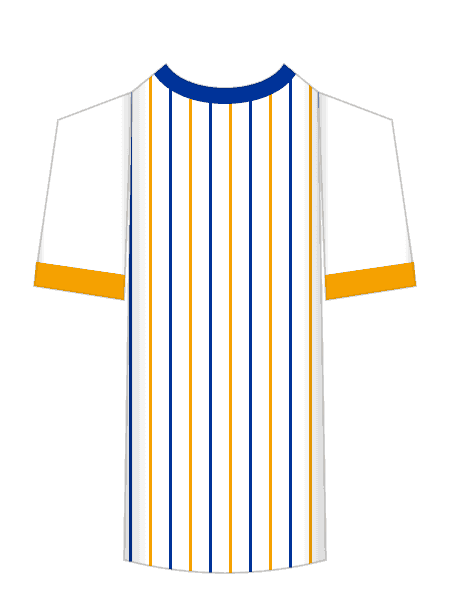
EVERTON
Away, White Pinstripes
Bournemouth shown in retailer product photography. Everton away shown as a ColorWay colorway render, not a photograph.
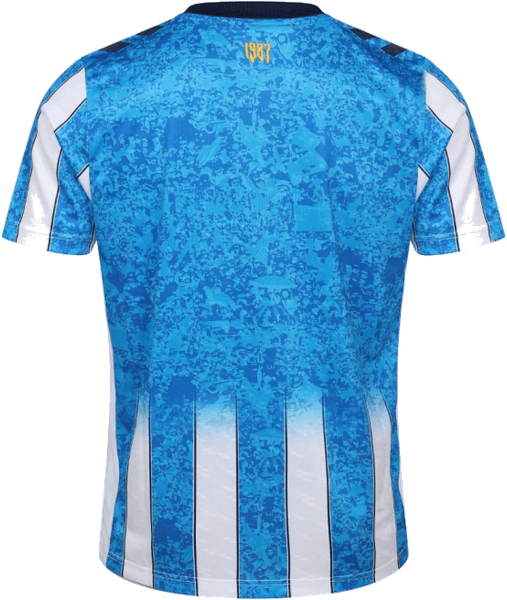
COVENTRY CITY
Home, Sky Blue Stripes
VS
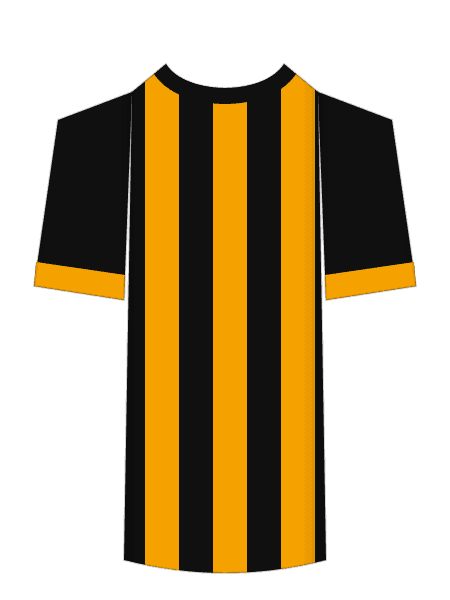
HULL CITY
Home, Amber and Black
Coventry shown in retailer product photography. Hull shown as a ColorWay colorway render, not a photograph.
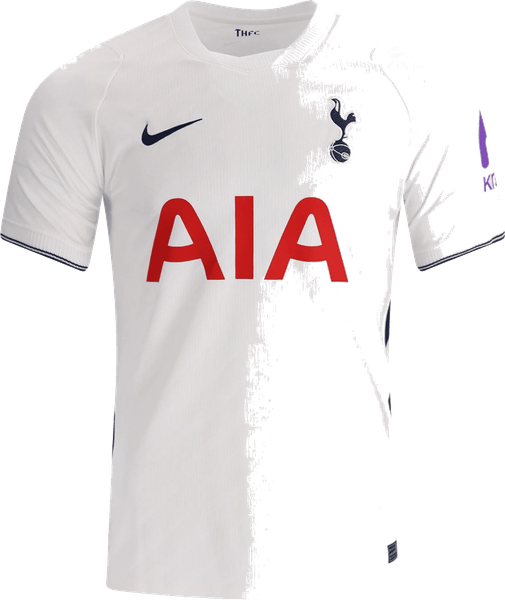
TOTTENHAM
Home, Lilywhite
VS
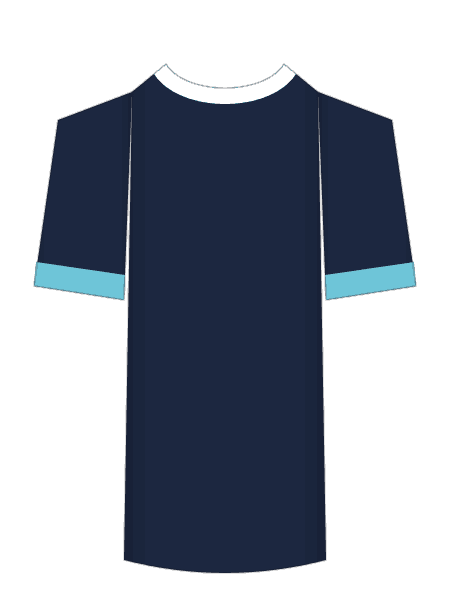
NEWCASTLE
Away, Night Navy
Tottenham shirt photo via Soccer Wearhouse. Newcastle away shown as a ColorWay colorway render, not a photograph.
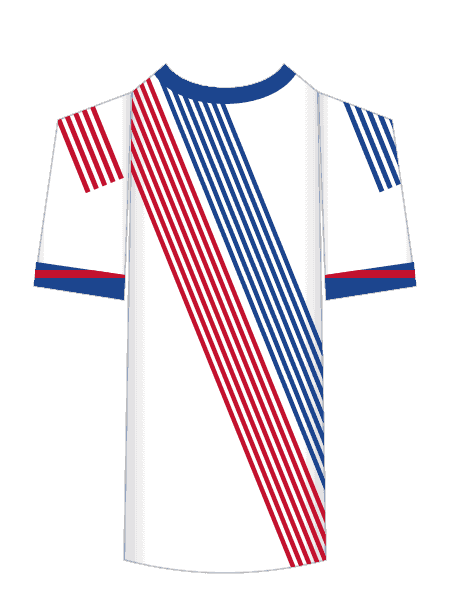
CRYSTAL PALACE
Home, the 1976 Sash
VS
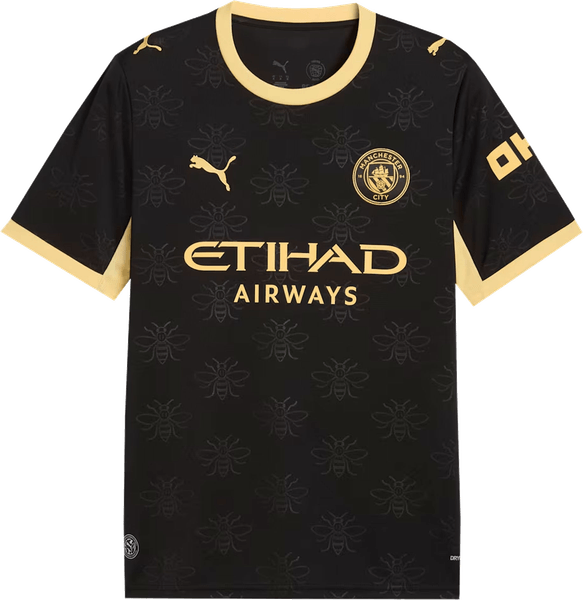
MAN CITY
Away, the Worker Bee
The season's best home shirt against its lowest-graded away shirt, on the same pitch. Palace wore the white sash exactly as scheduled. City changed into the black worker-bee even though nothing forced it, and put four past Palace wearing it.
Fixtures and kickoff times are confirmed. Kit assignments fill in from Thursday as each club publishes its own confirmation, and the grades follow once the matches are played.
Matchweek 1: Every Kit Matchup
Ten fixtures across four days to open the season, all played and confirmed. Two clubs went off-script: Manchester United opened in an ivory third kit at newly promoted Hull City, and Aston Villa went to Brighton in the brand new black and gold away shirt that only went on sale the day before.
Fixtures showing a final score are confirmed, taken from what the clubs actually wore. Kits still marked Expected follow the Premier League's clash rules and each club's 2026/27 wardrobe, and Sunday proved that is a prediction and not a promise. Clubs post the confirmed shirt on matchday. We update this grid as each one lands.
Matchweek 1, Graded
Every fixture gets a kit matchup grade once it kicks off. Nine played, nine graded, one still to come. Best of the weekend is Newcastle against Liverpool, the fixture nobody has to think about and nobody ever needs to fix.
Arsenal vs Coventry City: B+
ARSENAL · RED HOME
VS
COVENTRY · SKY BLUE HOME
Final · Arsenal 3, Coventry 0
Arsenal shirt photo via Soccer Wearhouse. Coventry shirt photo via the official Coventry City club shop, shown from the back for the gold 1987 stamp at the collar.
Red with white sleeves against sky blue with white stripes is the kind of contrast the opening night of a season deserves, and Coventry's 1987 pinstripes gave the away end a shirt with an actual story on it. What keeps it from the A range is that this is the league's default look: Arsenal's home red is the expected call at the Emirates, and a great kit matchup usually needs one side to bring something you do not see every week. Clean, classic, a half-step short of special. B+.
Newcastle United vs Liverpool: A
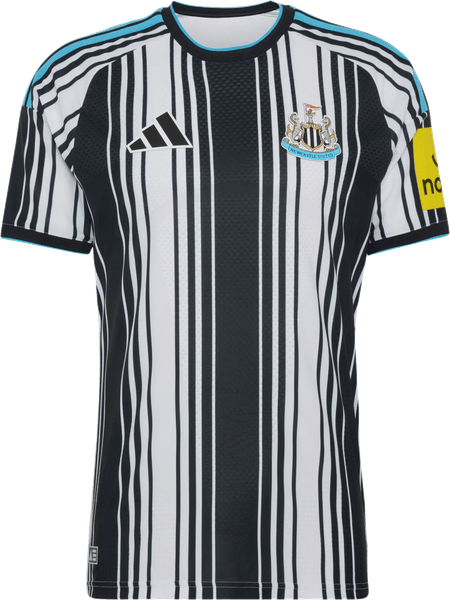
NEWCASTLE · BLACK STRIPES HOME
VS
LIVERPOOL · RED HOME
Final · Newcastle 2, Liverpool 2
Newcastle and Liverpool shirt photos via Soccer Wearhouse.
The best kit matchup of the opening weekend, and the one that required the least work from anybody. Black and white stripes against plain red is about as far apart as two shirts can get, so no away kit, no third kit, no sock swap, no conversation. What lifts it above Forest and Leeds is that both shirts have something going on inside the classic. Newcastle's stripes are broken up by a bright blue flash across the shoulder and down the cuff, the first time in years the club has let a third color onto the home shirt, and Liverpool's red is covered in a scattered white and pink graphic that only resolves when the camera gets close. Two of the oldest looks in English football, both quietly modernised, neither one compromised. A.
It finished 2-2, and it took until the ninth minute of stoppage time to get there. Anthony Elanga put Newcastle ahead inside five minutes, Cody Gakpo levelled on 55 and Joe Willock restored the lead two minutes later, before Dominik Szoboszlai converted a penalty at 90+9 to rescue a point for Liverpool.
Nottingham Forest vs Leeds United: A-
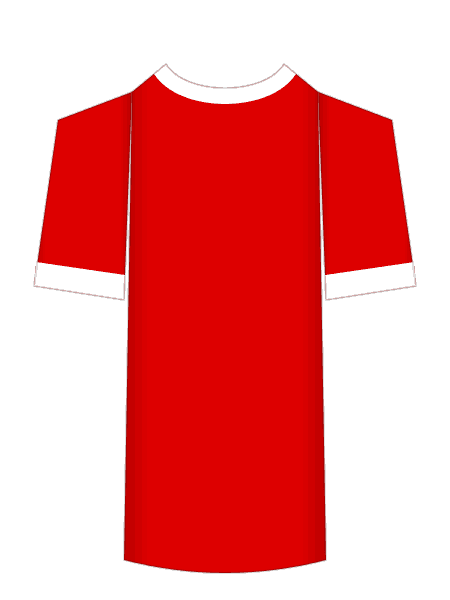
FOREST · RED HOME
VS
LEEDS · WHITE HOME
Final · Forest 0, Leeds 1
Leeds shirt photo via Soccer Wearhouse. Forest shown as a ColorWay colorway render, not a photograph.
The best looking fixture of the weekend, and it did not need a single intervention from anybody. Forest's plain red and Leeds' white produce the cleanest separation on the card without either club reaching for an alternate, and all white is genuinely rare in this league: Leeds are the only club who own it outright, so this is not a default pairing even though both sides are at home in their own colors. And this year's Leeds white has something to say up close, too. The horizontal blue and yellow pinstripes are a first in the club's history, a deliberate flip of the constantly cited 2005/06 vertical-pinstripe Admiral shirt. Heritage color, new idea, perfect contrast. A-.
Brighton vs Aston Villa: A-
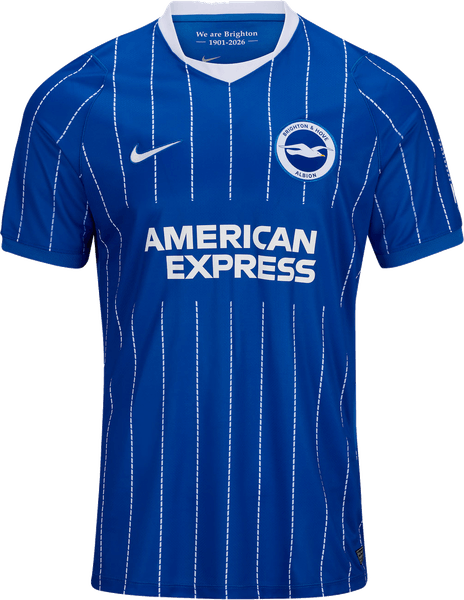
BRIGHTON · BLUE PINSTRIPES HOME
VS
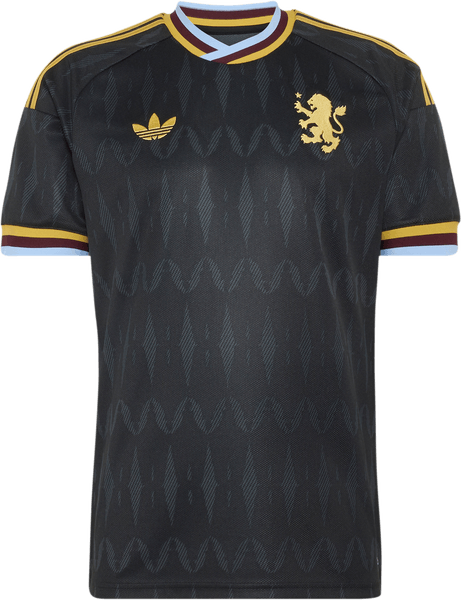
ASTON VILLA · BLACK AND GOLD AWAY
Final · Brighton 4, Aston Villa 0
Brighton shirt photo via the official Brighton and Hove Albion club store. Aston Villa shirt photo via Ultra Football.
The kit story of Sunday. Villa did not wear claret. They went to the Amex in the black and gold away shirt that only reached the club shop on Saturday, which means a kit that had been on sale for roughly twenty four hours made its competitive debut in the season opener. It is a genuinely good shirt: black with a tonal zigzag through the body, a gold lion, gold adidas trefoil, and claret and sky blue banded into the collar and cuffs so the club colors are still in there if you look. Against Brighton's royal blue and white pinstripes it produces total separation, and Brighton's own shirt is carrying the club's 125th anniversary with a We are Brighton 1901-2026 inscription stitched inside the white collar.
Why the change at all? Villa's home shirt pairs claret with sky blue sleeves, and sky blue sleeves against Brighton's royal blue is exactly the sort of secondary color overlap the league's contrast standard exists to catch. Whether that forced Villa's hand or the club simply wanted the new shirt on the pitch for its first weekend on sale, the decision was signed off three working days before kickoff, not on the day. Brighton won 4-0 with Joao Gomes sent off before the break. A-.
Everton vs Crystal Palace: B+
EVERTON ROYAL BLUE HOME · VS · PALACE WHITE SASH HOME
Final · Everton 2, Palace 0
Palace brought the most interesting shirt of the weekend, and they did it without changing at all. Their 2026/27 home shirt is predominantly white with a blue and red sash across the chest, the 1976 design returning for the first time in fifty years, finished with a circular old badge in place of the modern crest. White clears Everton's royal blue comfortably, so Palace were allowed to wear their own home kit at Goodison. That makes this the cleanest illustration on the card that an away side changing is a rule outcome, never a default. What keeps it out of the A range is the blue in that sash, which sits close enough to Everton's royal that in wide shots the two shirts borrow from each other slightly. Genuinely great shirt, good matchup, one shade away from excellent. B+.
Ipswich Town vs Sunderland: B+
IPSWICH · BLUE HOME
VS
SUNDERLAND · RED STRIPES HOME
Final · Ipswich 2, Sunderland 1
Ipswich and Sunderland shown as ColorWay colorway renders, not photographs.
This is what English football looked like for most of the last century, and there is a reason it keeps working. Plain blue against red and white stripes needs no ruling, no third kit and no conversation, and the stripes do all the visual work while Ipswich's block blue sits underneath them as a clean background. It is a comfortable, well-built matchup rather than a memorable one. Sunderland's stripes carry it, Ipswich's shirt is honest but plain, and nothing here surprises you. B+.
Manchester City vs Bournemouth: B+
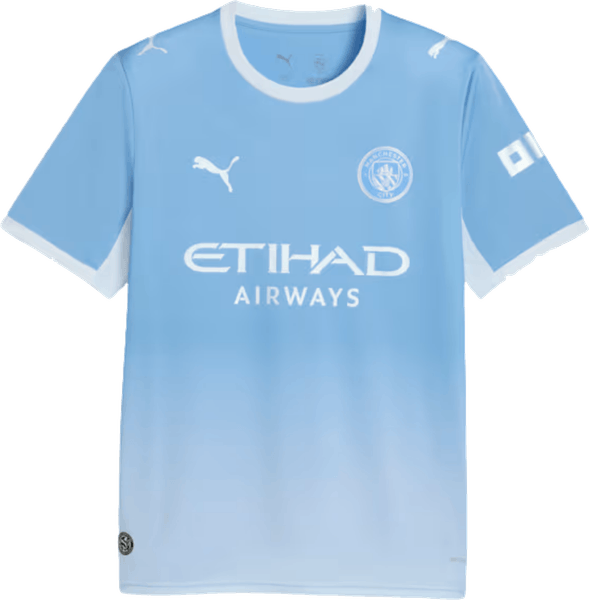
MAN CITY · SKY BLUE HOME
VS
BOURNEMOUTH · RED STRIPES HOME
Final · Man City 2, Bournemouth 1
Manchester City shirt photo via Soccer Wearhouse. Bournemouth shirt photo via the official AFC Bournemouth Superstore.
Sky blue against red and black stripes needs no intervention, so both clubs wore home and the league never had to get involved. The reason this sits at B+ rather than higher is the same reason Arsenal against Coventry did: it is the default. Neither club reached for anything, and a great kit matchup usually needs one side to turn up in something you do not see every week. What it does have is a debut. This is Bournemouth's first home shirt under hummel after years with Umbro, and the chevrons land better than expected, running in gold across the shoulders with a tonal crest pattern inside the red stripes. City's own home shirt fades from sky blue into white at the hem, which reads well in a stadium and slightly less well next to a shirt as busy as Bournemouth's. Clean, legible, unremarkable. B+.
Brentford vs Tottenham: B
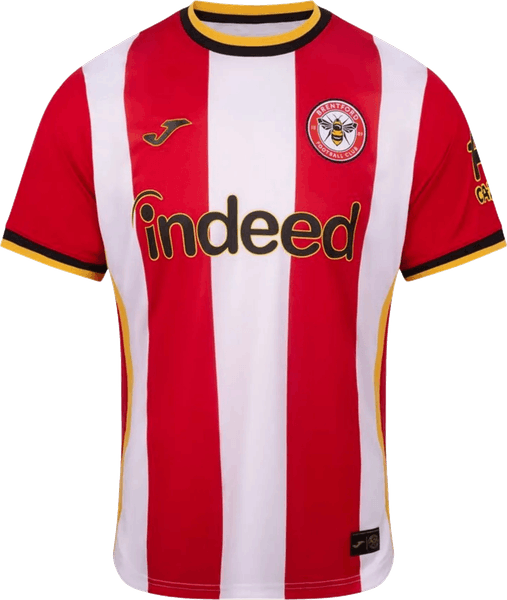
BRENTFORD · RED STRIPES HOME
VS
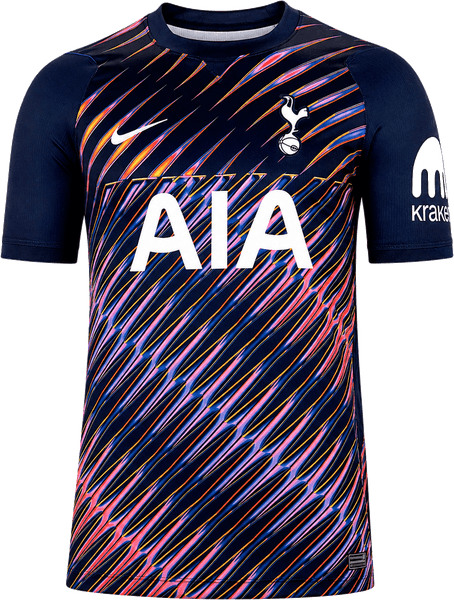
SPURS · NAVY AWAY
Final · Brentford 3, Tottenham 0
Brentford shirt photo via Joma. Tottenham away shirt photo via the official Spurs store. Spurs paired this shirt with navy shorts and white home socks.
The contrast is fine. Red and white stripes against a dark navy separates cleanly and nobody watching was ever confused about who was who. The problem is what it took to get there. Spurs wore the navy away shirt and navy shorts with the white socks from their home kit, which solves the sock clash on paper and produces a kit that does not quite belong to itself on television. A navy body sitting on white socks reads as unfinished rather than deliberate, and mixed-kit combinations almost always look like a compromise because that is what they are. Good matchup, awkward assembly. B.
Hull City vs Manchester United: B-
HULL AMBER STRIPES HOME · VS · MAN UNITED IVORY THIRD
Final · Hull 2, Man United 0
Hull did their part. Amber with black central and side stripes is one of the most distinctive home shirts in the country, it photographs beautifully, and a promoted club opening its Premier League return in it is exactly right. United are the problem. Ivory is a warm off-white, Hull's amber is a warm yellow, and putting the two beside each other flattens a matchup that should have been vivid. Their blue away kit would have separated better and there was no rule forcing them past it, which makes the third kit a marketing decision dressed up as a clash solution. Add three centralised badges to a shirt with no red anywhere on it and you have something that reads as a merchandise drop rather than a Manchester United kit. Great home shirt, avoidable away call. B-.
What Actually Happened on Friday and Saturday
Six fixtures across the first two days, and the kit calls were more interesting than the league's clash rules suggested they would be.
Arsenal vs Coventry City, Friday, the opener. Red against sky blue is one of the cleanest contrasts in the league, so neither side had a reason to change. Coventry's first Premier League fixture since 2001 ended 3-0, with Havertz, Saka and Odegaard scoring.
Hull City vs Manchester United. The kit story of the weekend, and not the one anybody expected. Hull wore the home shirt exactly as the rules dictate: amber with black central and side stripes, white shorts, amber and black hooped socks. United, though, did not go to their blue away kit. They went all the way to the ivory third, a shirt built around dark red and green accents and three centralised badges. A club that owns one of the most recognisable red shirts in world football opened its season in ivory, at a promoted side, and lost 2-0. Hull's amber does not clash with United's blue away shirt in any obvious way, which makes the third kit a choice rather than a requirement, and choices like that are exactly what this page exists to log.
Everton vs Crystal Palace. We predicted Palace would have to change. They did not, and the reason is the most interesting kit story of the season so far: Palace have swapped their colours for 2026/27. Their home shirt is now predominantly white with a blue and red sash, reviving the 1976 design for the first time in fifty years, while the stripes have moved to the third kit. White against Everton's royal blue passes the contrast standard comfortably, so Palace wore their own home shirt away from home. Everton won 2-0 through Dewsbury-Hall and Barry.
Ipswich Town vs Sunderland. Blue against red and white stripes needs no intervention from anybody, so both clubs wore home. Ipswich marked their return to the top flight with a 2-1 win, Jack Clarke settling it late.
Nottingham Forest vs Leeds United. Red against all white, both clubs at home in their own colors, and one of the tidiest looking fixtures on the card. Anton Stach's free kick won it 1-0 for Leeds.
Brentford vs Tottenham. The best illustration of the three-day rule on the entire card. Spurs did have to change, and Tottenham published the confirmed colours in advance: the new navy away shirt with navy shorts, but the white socks from the home kit, because Brentford wear black socks with the red and white stripes. That is a club splitting two kits at sock level to satisfy a contrast standard, days before kickoff, and then losing 3-0 anyway.
What Actually Happened on Sunday
Three fixtures, and one of them broke the pattern.
Brighton vs Aston Villa. We expected both clubs in their home shirts. Villa changed. They wore the new black and gold away kit, a shirt that had been on general sale for about a day, and lost 4-0 with Joao Gomes sent off in the first half. Villa's home shirt puts sky blue on the sleeves, and sky blue sleeves against Brighton's royal blue is the kind of overlap the contrast standard is written for, so the change is defensible on the rules alone. It is still the second time in three days a club has opened its season in a kit almost nobody predicted, after Manchester United's ivory third at Hull.
Manchester City vs Bournemouth. Called correctly. Sky blue against red and black stripes clears the contrast standard without anybody reaching for an alternate, so both clubs wore home. City came from behind to win 2-1, Marc Guehi equalising on 84 minutes and Josko Gvardiol winning it in stoppage time.
Newcastle vs Liverpool. Called correctly, and the best looking fixture of the weekend. Black and white stripes against all red is the perfect contrast, both clubs at home in their own colors, nothing for the league to resolve. The match matched the shirts: 2-2, with Elanga, Gakpo and Willock trading goals before Szoboszlai's penalty nine minutes into stoppage time saved a point for Liverpool.
Still to Come
Fulham vs Chelsea, Monday. White against royal blue, both home, exactly as expected, and this time the club posted it: Chelsea confirmed the new home shirt with its Midwest Gold badge accents for the trip to the Cottage, and Fulham stayed in white with black shorts. A clean, classic contrast to close the matchweek, graded B+ below. Chelsea won it 3-2.
How Premier League Kit Clashes Actually Get Decided
This is the part almost nobody explains properly, so here it is straight.
The home club has priority. Premier League rules put the home side's outfield players first: they wear their home strip. Second priority goes to the visiting club's outfield players. Goalkeepers are sorted last, which is why keeper kits end up in colors nobody would choose.
Only the away club has to declare. The visiting side tells the league which kit it intends to wear. The home club is not part of that process at all.
The league decides disputes, not the clubs. Where there is a disagreement, the Premier League, in consultation with PGMOL on behalf of the referee, determines the colors and notifies both clubs and the match officials. The rule is a contrast standard: the strips must be different enough that officials, spectators and television viewers can clearly tell the teams apart.
The deadline is three working days before kickoff. That is the single most useful fact on this page. By Wednesday, the kits for a Saturday fixture are settled and communicated. Clubs sit on the announcement for engagement, but the decision is already made.
Third kits exist for one reason. If the away club's second kit also clashes with the home shirt, they go to the third. That is the entire purpose of a third kit, and it is why a third shirt that is too close in color to either of the other two is a design failure rather than a style choice.
Referees can still override late. If officials look at the two kits at the ground and decide the contrast is not good enough, they can order a change on the spot, including to a third kit nobody expected.
Every Premier League Club's Home Kit, 2026/27
Twenty clubs, three of them new: Coventry City up after twenty-five years, Hull City after a decade, and Ipswich Town straight back after one season down.
- Arsenal — red with white sleeves
- Aston Villa — claret with blue sleeves
- AFC Bournemouth — red and black stripes
- Brentford — red and white stripes
- Brighton and Hove Albion — royal blue with white pinstripes, with a We are Brighton 1901-2026 inscription inside the collar for the club's 125th anniversary
- Chelsea — royal blue
- Coventry City — sky blue
- Crystal Palace — white with a blue and red sash, the 1976 design revived; the traditional stripes now live on the third kit
- Everton — royal blue
- Fulham — white with black shorts
- Hull City — amber and black stripes
- Ipswich Town — blue
- Leeds United — all white
- Liverpool — all red
- Manchester City — sky blue
- Manchester United — red
- Newcastle United — black and white stripes
- Nottingham Forest — red
- Sunderland — red and white stripes
- Tottenham Hotspur — white with navy shorts
Seven of the twenty wear red as a primary home color and six wear a shade of blue. That is more than half the league fighting over two colors, and it is why change kits come out so often here.
Every kit, club by club, graded
The full 2026/27 wardrobe for all twenty Premier League clubs, with our grades and what they are wearing next.
What Kit Are Arsenal Wearing Today?What Kit Are Aston Villa Wearing Today?What Kit Are Bournemouth Wearing Today?What Kit Are Brentford Wearing Today?What Kit Are Brighton Wearing Today?What Kit Are Chelsea Wearing Today?What Kit Are Coventry City Wearing Today?What Kit Are Crystal Palace Wearing Today?What Kit Are Everton Wearing Today?What Kit Are Fulham Wearing Today?What Kit Are Hull City Wearing Today?What Kit Are Ipswich Town Wearing Today?What Kit Are Leeds United Wearing Today?What Kit Are Liverpool Wearing Today?What Kit Are Man City Wearing Today?What Kit Are Man United Wearing Today?What Kit Are Newcastle Wearing Today?What Kit Are Nottingham Forest Wearing Today?What Kit Are Sunderland Wearing Today?What Kit Are Tottenham Wearing Today?Frequently Asked Questions
What kit is my Premier League club wearing this weekend?
Check the matchweek grid above. Home clubs wear their home shirt by default, and the away club changes only if the league rules there is a clash. Kits are settled three working days before kickoff, so by Wednesday the answer for a Saturday match already exists.
Who decides which kit a Premier League team wears?
The Premier League, in consultation with PGMOL acting for the referee. The home club has first priority and wears its home strip. The away club declares which kit it intends to wear, and the league resolves any dispute and notifies both clubs and the officials no later than three working days before the match.
Why do away teams sometimes wear their third kit?
Because their second kit clashes with the home side's shirt too. The third kit exists for exactly this case, which is why a third shirt should be visually distinct from both of the club's other kits.
Can a Premier League club wear its home kit away from home?
Yes, and it happens constantly. If there is no clash, the visiting club can wear its home shirt. Liverpool in red at Newcastle and Chelsea in blue at Fulham are both normal.
Which Premier League teams are new for 2026/27?
Coventry City, Hull City and Ipswich Town. Coventry are back in the top flight for the first time since 2001, Hull for the first time in a decade, and Ipswich after one season in the Championship.
How many Premier League clubs wear red at home?
Seven: Arsenal, Bournemouth, Brentford, Liverpool, Manchester United, Nottingham Forest and Sunderland all use red as a primary home color, with Bournemouth, Brentford and Sunderland wearing it in stripes. Seven of twenty is the main reason change kits come out so often.
The Bottom Line
Premier League kits are not decided on matchday and they are not decided by the clubs. The league settles them three working days out, the home side gets first call, and the away side changes only when the contrast fails. This page tracks every one of those decisions, matchweek by matchweek, starting with an opening weekend where Crystal Palace turned up at Everton in their own home shirt because they have swapped their colours, Tottenham split their away shirt and their home socks to clear a contrast check, and Manchester United went past their away kit entirely and opened the season in an ivory third. We update it as each matchweek is confirmed.